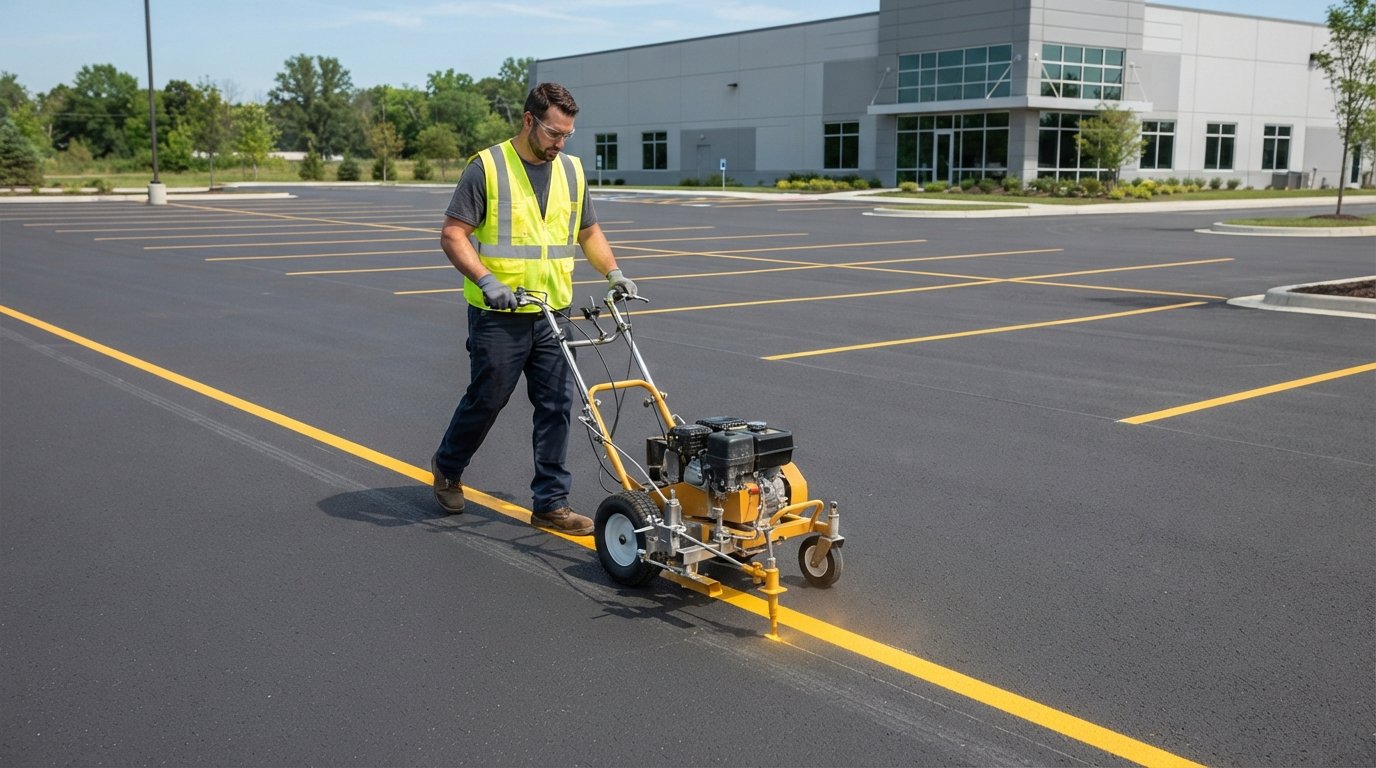
A clean parking-lot line depends on control, not just paint. Striping machines are wheeled tools that carry and dispense paint as an operator guides them, helping create straighter, more consistent markings than painting by hand. The benefits of professional striping equipment include faster application and greater control over line placement, width, and coverage.
For a busy lot, professional striping equipment can make the work more efficient and reduce the operator’s physical effort. The right machine depends on the area’s size and layout, the markings required, and the level of control the work demands. This article explains how striping machines work, why walk-behind designs suit many projects, and how pressure settings and operator control affect speed and consistency.
Key Takeaways
- Choose a walk-behind machine when maneuverability and control suit the lot; larger areas may call for equipment designed to cover more ground efficiently.
- Airless striping machines can complete projects in nearly half the time of conventional striping machines and typically need fewer passes.
- Adjustable pressure and spray tips help operators adapt paint application to the marking and produce consistent lines.
- Match the equipment’s line-width capability and paint capacity to the layout to reduce interruptions and support accurate coverage.
- Routine cleaning of spray tips and checks for clogs and wear help keep striping equipment ready for the next job.
Faster parking lot line painting
Professional striping machines apply paint as an operator guides the equipment along a planned route, helping crews mark parking lots faster than they could by hand. A line striping machine can also improve accuracy. Airless machines can finish projects in nearly half the time of conventional striping machines and typically require fewer passes. That can reduce time spent repeating lines or correcting uneven coverage.
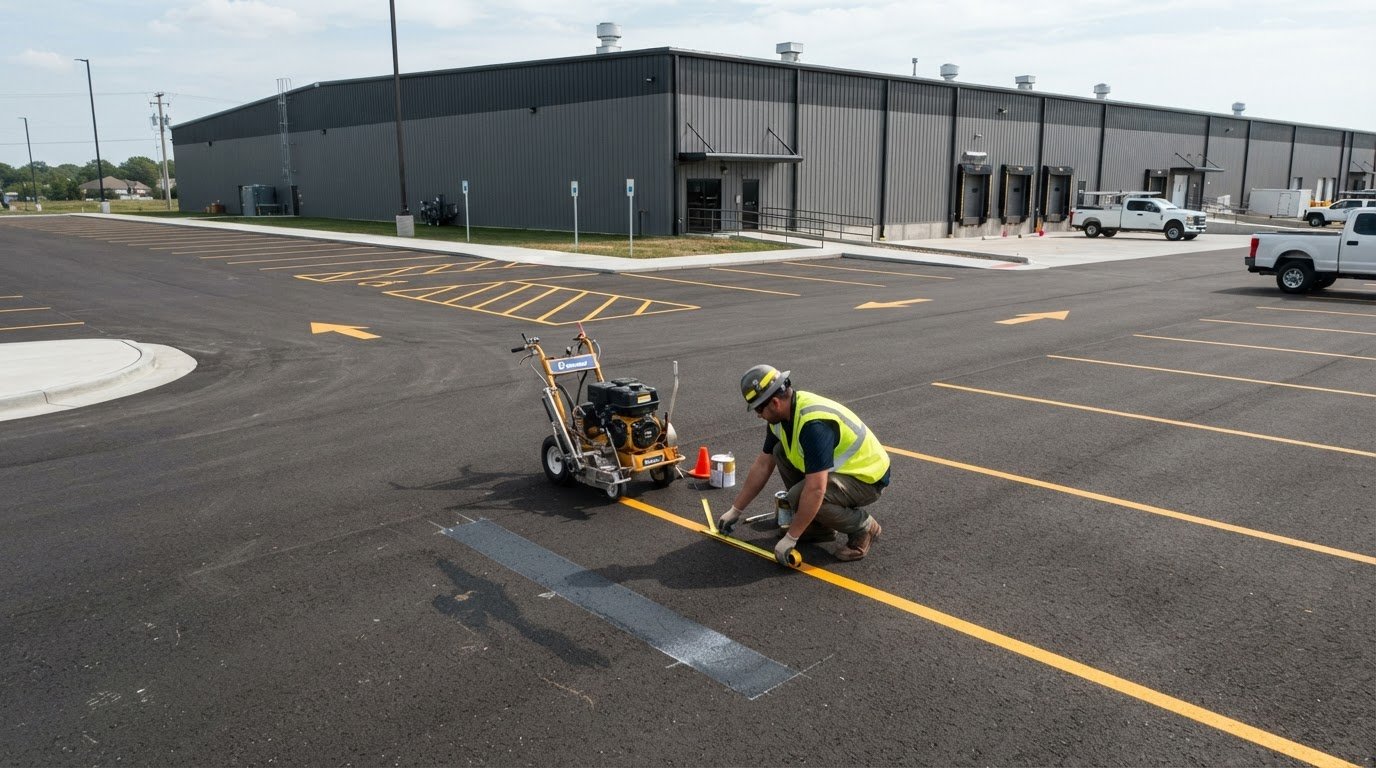
Machine types suit different site sizes and work demands. Walk-behind models are standard for most commercial lots under 150 stalls, offering maneuverability around parking rows and islands. Self-propelled machines suit medium and large areas, easing operator fatigue while helping maintain uniform lines. Ride-on machines cover extensive lots quickly. Airless and conventional systems apply paint differently, while handheld and manual machines can suit smaller jobs or touch-ups.
Consistent application improves both the appearance and readability of a parking lot. An airless machine’s steady spray pattern can create crisp lines with fewer variations in width or thickness. For example, evenly painted stall boundaries make the layout easier to interpret, while a smooth arc can be produced by locking the machine’s wheel in place. Stencils and adjustable spray tips also help operators create directional arrows and other markings without relying on hand-painted edges.
Adjustable line width lets operators match the marking to its purpose, from parking-space boundaries to directional arrows. Before work begins, confirm that the machine can produce the widths required by the layout. Road markings wider than 4 inches require equipment with suitable line-width capability. On a long stripe or large lot, a 4-21 spray tip can help an airless striper travel faster while applying the proper amount of paint. Tip selection affects coverage, so matching it to the job supports speed without sacrificing line quality.
Accessories add control where a basic machine may be less precise. Adjustable spray tips help tailor the pattern; stencils create repeatable symbols; and a wheel lock can help maintain a consistent curve. The equipment range extends from compact handheld units to ride-on machines, so the size and layout of the site matter. For parking lot line striping, parking lot line striping brings the application into focus: a clear plan, suitable equipment, and controlled marking help crews complete a lot efficiently.
Accessibility and marking requirements matter, too. Applicable accessibility standards address accessible parking spaces and access aisles, while other lot markings may be governed by state or local requirements. Requirements vary by location and project. Before painting, plan for accessible spaces, access aisles, and traffic flow.
What Are Striping Machines?
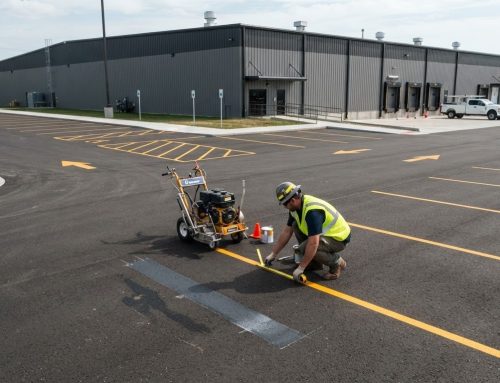
A striping machine carries paint and applies it through a controlled dispensing system as an operator guides it across asphalt or a warehouse floor. Its wheels help maintain a planned path for straight, consistent markings. Walk-behind designs suit small and medium projects, while ride-on machines are intended for larger areas. The pump, spray tip, paint capacity, and controls all affect performance.
Start maintenance with the spray tip. Clean it after every use, then check for clogs and worn parts before the next job. A blocked tip can interrupt paint flow, and worn components can make markings inconsistent. These checks help keep equipment ready and limit avoidable downtime. Accessible components also make routine cleaning and inspection easier.
Airless machines typically need less maintenance than traditional systems because they have fewer components, such as compressors. That can simplify upkeep, but regular cleaning and condition checks remain important. Dried paint in a spray tip, for example, can obstruct the next application. Follow the equipment maker’s cleaning and maintenance instructions to support reliable operation over repeated projects.
Safe operation requires control and awareness of the work area. Follow the machine’s operating instructions, inspect it before use, and keep people clear of the active spray path. These precautions help reduce exposure to moving equipment and paint spray while the operator focuses on maintaining a straight line.
Durability depends on robust construction, suitable materials, and routine care. Equipment designed for repeated striping can serve for many years, while neglected cleaning or worn parts can shorten its useful life. When choosing a machine, consider work volume, surfaces, maintenance needs, and time saved during application. A machine used regularly on asphalt may be a better fit than one intended for occasional touch-ups.
Compare total operating demands, not just the purchase price. Paint capacity determines how long a machine can work before refilling, and greater capacity can reduce interruptions on extensive projects. Airless systems may require a higher initial investment than conventional equipment, while less project time, paint waste, and maintenance can improve long-term efficiency. The right balance depends on workload, upkeep, and frequency of use.
Line striping machines commonly have a paint bucket or spray-can holder, wheels for maneuvering, and a mechanism for dispensing paint evenly onto asphalt. Walk-behind machines can serve both small and larger applications, balancing control with efficiency. Uses vary by setting: parking lot machines apply parking-space lines, directional arrows, and other markings, while machines for athletic fields mark boundaries, end zones, and other essential markings on grass.
Easy-to-clean components and accessible parts simplify routine maintenance and save time and effort. Durable equipment made with high-quality materials and robust construction can serve for many years, helping maximize the investment.

Adjustable pressure and operator control
Airless striping machines push paint through a spray tip under high pressure, breaking it into smaller droplets for a smooth finish. Adjustable pressure lets operators adapt application to the job instead of using one setting on every surface. On pavement, the right combination of pressure and tip helps control paint flow and line quality. This versatility is useful for projects that include both long parking-lot lines and tighter markings.
Pressure affects how paint leaves the tip, while the tip’s opening and pattern influence coverage. Operators can use these controls to match the application to the marking, paint, and working pace. A tip that puts out more paint at a given pressure may suit a different application than one with a lower output. For example, a 3-21 spray tip puts out more paint than a 3-19 tip at the same pressure.
With a piston-type airless pump, engine speed should match the spray-tip flow rate. A 3-21 tip requires a faster engine speed than a 3-17 tip. Matching these settings helps the pump supply paint at the rate the tip needs. It also gives the operator a practical way to control application without treating pressure as the only adjustment. The machine’s specified operating guidance should inform the final setup.
Handling is another part of operator control. Intuitive controls and comfortable grips can make a striping machine easier to manage and reduce fatigue during long projects. That matters in parking lots, where operators guide equipment through repeated lines and turns. Steady handling helps maintain the intended path, while pressure and tip adjustments control paint delivery. Each serves a different purpose: one manages application, the other supports accurate movement.
A test spray lets the operator assess the setup before marking pavement. During airless striper setup, spray a few inches onto scrap material. The sample shows whether the selected pressure and tip produce the intended pattern. If output or coverage needs adjustment, review the settings before applying the full line. This simple check can prevent a poor application from extending across a longer marking.
When a lot has different marking tasks, pressure control lets operators adapt the machine instead of using one paint-flow setting throughout. A stall line and a directional marking may call for different settings, depending on the tip and coverage required. The goal is consistent delivery at a controlled pace, not maximum pressure. Matching settings to each task helps manage paint application and keep work efficient.
How does professional striping equipment compare with DIY or rental equipment?
DIY line painting can be done with brushes, rollers, spray cans, and a board as a straightedge. These tools can suit small touch-ups, but hand application takes more effort and makes consistent line width harder to maintain. A professional striping machine controls paint delivery as the operator guides each pass, supporting steadier coverage across repeated parking stalls.
Airless equipment applies paint without mixing it with air, reducing overspray and helping limit wasted material. Its spray pattern directs paint to the line rather than spreading it broadly with a brush or roller. For example, a machine can stripe a row of parking spaces without repeatedly loading a brush. Faster application can also reduce labor time.
Rental equipment provides access to a machine without long-term ownership, which can suit a one-time project. Repeated striping work may make having equipment ready for regular use more practical. Compare how often the lot needs marking, how much area must be covered, and how quickly the equipment can complete the work. Greater paint capacity can reduce refills and interruptions on extensive jobs.
Machine capability affects paint choice and operating demands. Airless stripers handle a broader range of paint viscosities, including thicker paints, than some conventional systems. Their simpler design, with fewer components such as compressors, can reduce maintenance demands. Regular cleaning is still essential: clean spray tips after each use and check the machine for clogs and wear. This helps prevent maintenance issues from interrupting the next job.
Handheld equipment can be practical for small projects and touch-ups because it is compact and easier to use and store. Manual machines also suit smaller jobs where precision and operator control matter more than covering a broad area quickly. For a large lot or recurring work, professional airless equipment can improve productivity through fewer passes, less overspray, and faster application. The best fit depends on project size and frequency.
Compare the full workflow before choosing: application speed, paint waste, physical effort, refill frequency, and upkeep all affect operating efficiency. Hand painting may work for a short isolated mark; equipment is better suited to consistent lines across a larger layout. For help planning parking lot striping for your facility, consider the lot’s size, marking requirements, and expected maintenance schedule.
Machine operation takes less physical effort than hand painting, while precise spraying can reduce paint waste and release fewer volatile organic compounds (VOCs). Hydraulic pump machines cost more upfront but have lower long-term maintenance costs.
StripeGuys Warhouse Line Striping: Warehouse Floor Striping
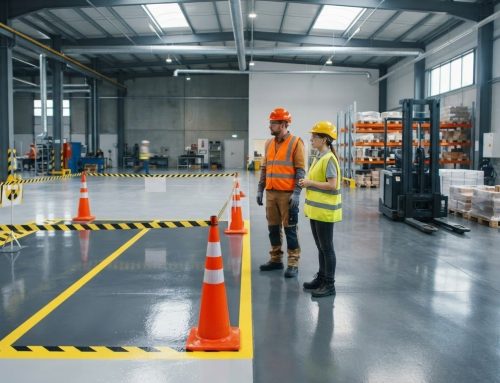
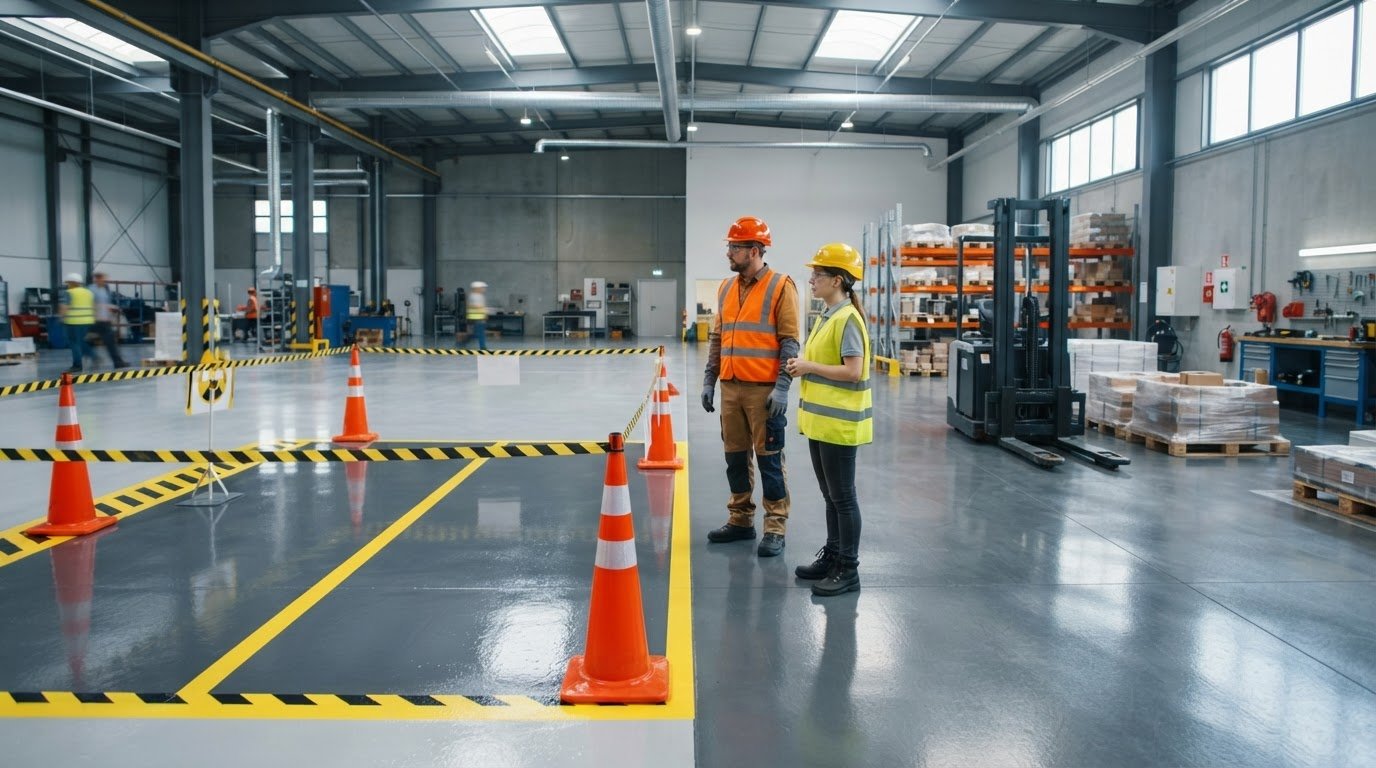
StripeGuys provides warehouse floor striping to help facilities organize work areas and guide foot traffic with clear markings. When a facility updates its layout or replaces worn lines, professional striping can support safer, more orderly movement through operational spaces.
StripeGuys also provides epoxy line striping for warehouse marking projects and line removal when a layout changes. The work depends on whether the facility needs new markings, refreshed lines, or removal before applying a new plan. For parking areas, parking lot line striping defines spaces and helps organize vehicle flow.
Contact StripeGuys to discuss warehouse or parking lot striping for your facility.
Put a Clear Marking Plan Into Action
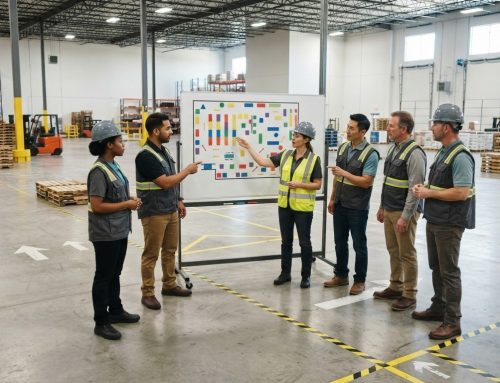
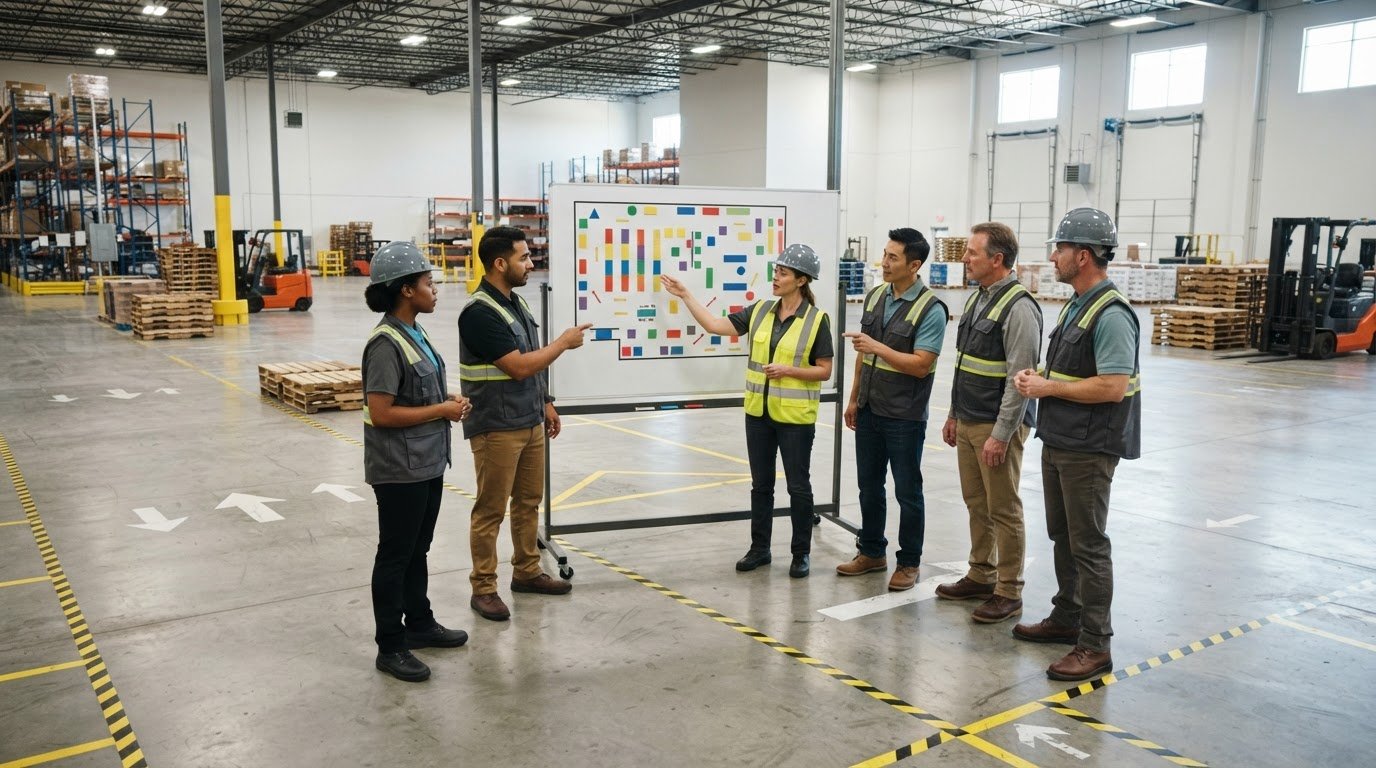
Connect equipment choices with the way people, vehicles, and materials move through your facility. Identify where markings need to guide traffic, define work zones, or clarify parking spaces. A practical plan begins with the outcome each marking must support and the surface where it will be applied.
The benefits of professional striping equipment matter most when application quality supports a wider operational goal. StripeGuys provides warehouse floor striping, epoxy line striping, and parking lot line striping to help facilities establish clear, functional markings. The right service depends on whether your priority is interior workflow, epoxy markings, or organized vehicle parking.
Bring your facility’s marking priorities into the conversation, including areas that need new lines or an updated layout. Contact StripeGuys Warhouse Line Striping to discuss the work ahead and identify a practical next step. Clear markings can help your team move forward with a more organized facility.
Frequently Asked Questions
What are the benefits of professional parking lot striping equipment?
Professional equipment helps crews apply parking lot markings with controlled, repeatable paint delivery. This can keep rows, access aisles, and directional markings orderly. Coordinating multiple marking types in one work plan is more practical than switching between improvised tools. Stencils help reproduce symbols consistently, while suitable machine capacity can reduce interruptions during larger painting tasks.
How does professional striping equipment improve line quality, accuracy, and durability?
Professional equipment supports quality by helping operators follow a planned marking and apply paint consistently. Accuracy also depends on preparation: identify stall boundaries, turning areas, and traffic routes before painting to reduce the risk of misplaced lines. The machine alone does not determine durability. Surface condition, paint selection, and correct application all affect how markings withstand vehicle traffic and routine use.
How much time and labor can professional striping equipment save?
The time required depends on the lot’s layout, number of markings, and equipment selected. Airless machines can complete projects in nearly half the time of conventional striping machines and reduce physical effort compared with painting by hand. For planning, account for setup, refills, and the order of work areas, since each affects how efficiently a crew can complete the job.