An OSHA violation for a walking-working surface can cost your facility $1,632 per individual instance, yet the true cost of poor floor markings is measured in lost productivity and safety risks. You’ve likely seen standard traffic paint fade into obscurity under the constant friction of heavy forklift tires and automated equipment. It’s a logistical headache to manage fading lines that lead to traffic confusion and hazardous work zones. This guide explains how professional warehouse floor striping Georgia logistics hubs utilize can transform your facility from a liability into a high-performance asset. You’ll learn how to achieve long-lasting, high-visibility lines that withstand 2026’s rigorous industrial demands while ensuring total OSHA compliance. We’ll examine the mechanical preparation (the process of diamond grinding or shot blasting to ensure adhesion) necessary for durability and how to optimize traffic flow for both human operators and autonomous mobile robots.
Key Takeaways
- Understand why mechanical surface preparation, such as diamond grinding or shot blasting, is essential for ensuring epoxy bonds chemically to industrial concrete.
- Discover how to coordinate professional warehouse floor striping Georgia projects during off-peak hours to maintain 24/7 distribution schedules with zero operational downtime.
- Learn the 2026 OSHA-accepted color standards and ADA requirements for industrial facilities to minimize liability and improve pedestrian safety.
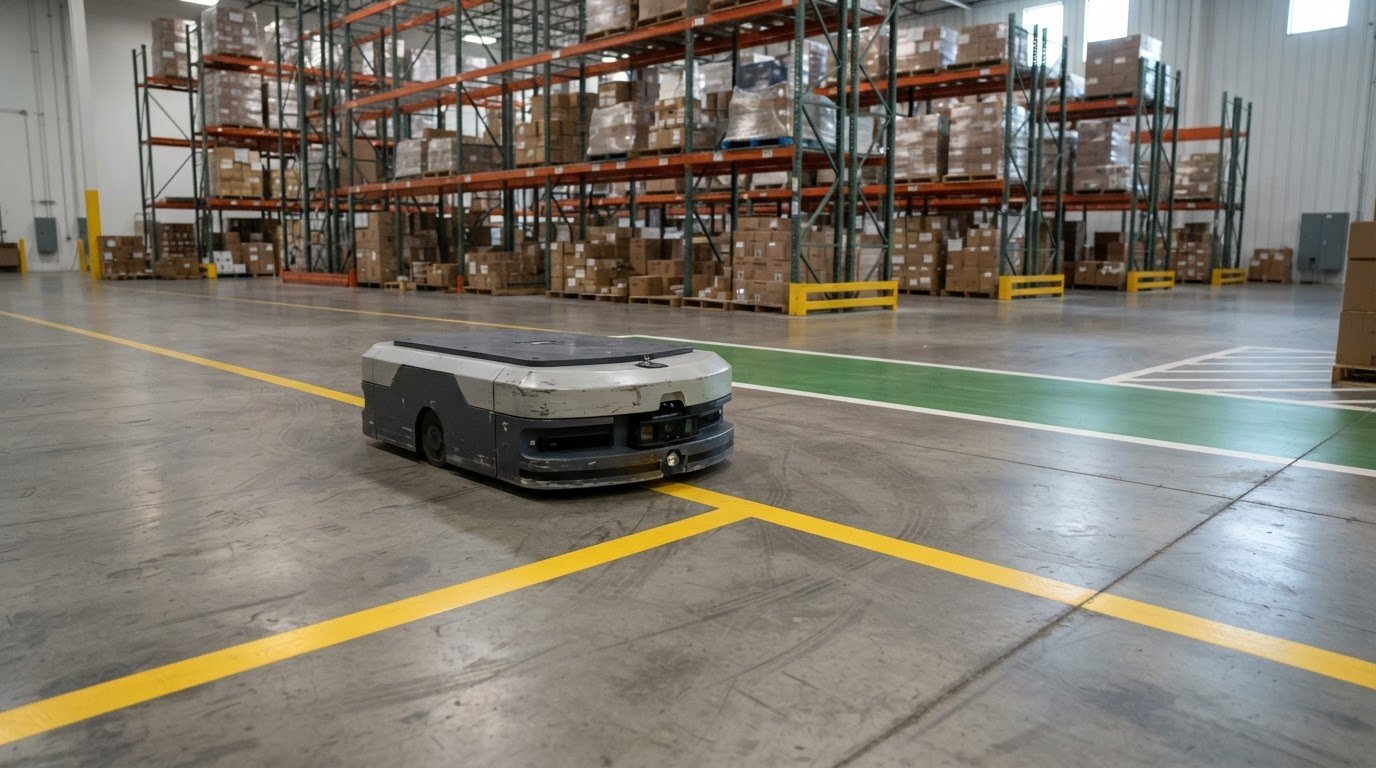
- Identify the performance advantages of high-build epoxy line painting for facilities integrating autonomous mobile robots and automated storage systems.
The Strategic Role of Floor Striping in Georgia Logistics Facilities
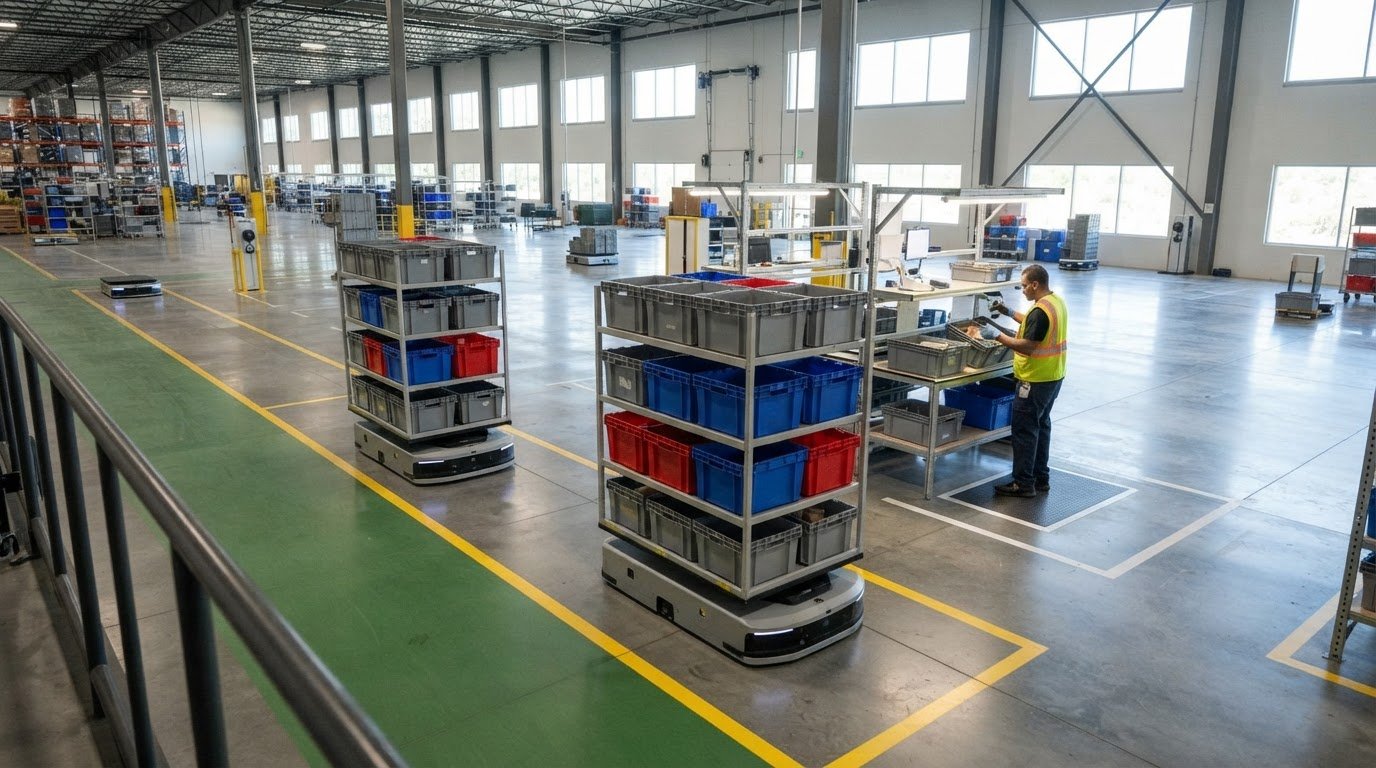
In the high-speed corridors of the Georgia logistics market, the warehouse floor striping Georgia facilities implement acts as the silent conductor of operational rhythm. It is far more than paint on concrete; it’s a critical organizational tool that defines the boundary between efficient throughput and logistical chaos. When forklift operators and pedestrians share space in high-volume distribution centers, visual cues are the primary defense against collisions. Clear, high-visibility markings provide immediate spatial awareness, reducing the split-second hesitation that often leads to workplace accidents. By establishing rigid staging areas, facilities can optimize their supply chain throughput, ensuring that inbound and outbound freight moves without obstruction. This organization doesn’t just save time; it reduces liability and improves worker morale by creating a predictable, professional work environment.
Maximizing Warehouse Square Footage and Flow
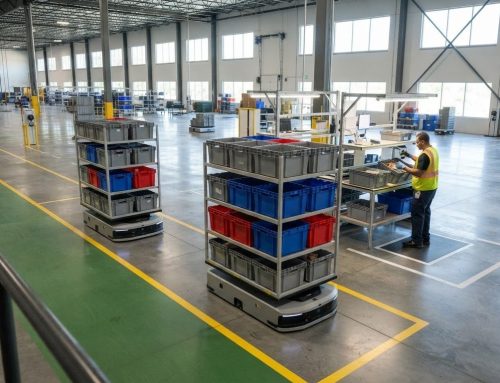
Effective floor layout directly impacts your bottom line by reclaiming underutilized space. We use precision line markings to define high-density storage zones, ensuring every square foot of your facility contributes to revenue. Dedicated forklift lanes are essential to eliminate traffic bottlenecks (the congestion caused by intersecting equipment paths) which keeps your fleet moving at peak efficiency. While some facilities rely on temporary Floor marking tape for short-term fixes, industrial-grade warehouse floor striping Georgia providers offer a permanent solution for pallet position stenciling. This level of detail improves inventory accuracy by providing clear, unmistakable locations for every unit of stock, which is vital for facilities utilizing automated storage and retrieval systems.
Safety Compliance as a Competitive Advantage
Adhering to OSHA standards isn’t just about avoiding the average $1,632 fine for walking-working surface violations; it’s about building a zero-accident culture that protects your most valuable assets. Professional markings clearly identify “No-Travel Zones” and hazardous equipment areas, keeping unauthorized personnel away from dangerous machinery. Integrating pedestrian walkways and safety aisles creates a protected environment for your workforce, which directly improves retention in a tight labor market. In Georgia’s competitive industrial sector, a clean and organized facility is a significant advantage when recruiting skilled operators. We position safety as a functional asset that protects both your personnel and your operational budget through long-term reliability.
Industrial Materials and Surface Preparation for Maximum Durability
Standard traffic paint is a temporary fix that often leads to premature failure on industrial concrete floors. These surfaces are typically non-porous and may be contaminated with oils, sealers, or curing compounds. Without a genuine chemical bond, standard paint simply sits on the surface. Heavy forklift traffic creates intense friction and heat, which quickly grinds these superficial coatings away. Professional warehouse floor striping Georgia facilities rely on utilizes high-performance materials that anchor directly into the concrete substrate. This distinction between a surface coating and a chemical bond is the primary factor in determining how long your safety markings will remain visible and effective.
Mechanical Surface Prep: Shot Blasting and Grinding
Successful adhesion depends entirely on the mechanical profile of the concrete. Shot blasting is the industrial gold standard for warehouse line removal because it uses high-velocity steel grit to strip away old coatings and contaminants. This process creates a specific “tooth” (a roughened surface texture) that allows epoxy to penetrate and lock into the floor. For facilities with strict environmental controls, such as food-grade or pharmaceutical hubs, we utilize dustless diamond grinding. This technique provides the same critical surface preparation without releasing airborne particulates into your production environment. Skipping this step is the most common reason for coating failure, as even the highest quality epoxy cannot bond to a smooth or dirty surface.
Epoxy vs. Paint: A Performance Comparison
When you invest in epoxy warehouse striping, you’re choosing a material engineered for chemical and abrasive resistance. While traffic paint might seem cost-effective initially, its short lifespan in high-traffic zones leads to frequent re-application and cumulative operational downtime. Research indicates that surface preparation accounts for 30% to 40% of the total project cost, but it’s a non-negotiable investment for long-term reliability. High-build epoxy coatings withstand constant forklift pivoting and industrial floor scrubbers that would strip standard paint in weeks. This durability is essential for maintaining compliance with OSHA 1910.22, which requires permanent and clear markings for safe walking-working surfaces. If you’re tired of seeing your safety lines disappear, you can consult with our project managers to identify the right high-performance material for your floor’s specific traffic patterns.

Operational Integration: Striping Without Stopping Production
Georgia’s industrial infrastructure operates on a 24/7 cycle, meaning any interruption to the flow of goods is a direct hit to the bottom line. The primary challenge is executing the warehouse floor striping Georgia facilities require without halting the movement of freight. We solve this through strategic scheduling, often deploying crews during nights, weekends, or holiday windows when traffic volume is at its lowest. To further minimize disruption, we utilize fast-cure coatings like polyaspartic and Methyl Methacrylate (MMA) that reach full hardness in hours rather than days. These materials are particularly effective in Georgia’s humid climate, as they cure reliably in conditions that might cause standard epoxy to remain tacky for extended periods. By phasing the installation, we keep specific sections of your warehouse active while others are being serviced, ensuring your operational throughput remains steady.
The Project Management Process
Successful execution starts with rigorous pre-project coordination. We map your current traffic patterns and staging areas to create a phased execution plan that mirrors your workflow. Communication protocols are established between our striping crews and your facility staff to prevent accidental incursions into work zones. This organized approach includes maintaining a clean, debris-free environment (a critical step for ensuring that dust doesn’t contaminate your inventory or the wet coating). Our goal is to function as a seamless extension of your maintenance team, prioritizing your schedule and operational needs above all else.
Specialized Facility Requirements
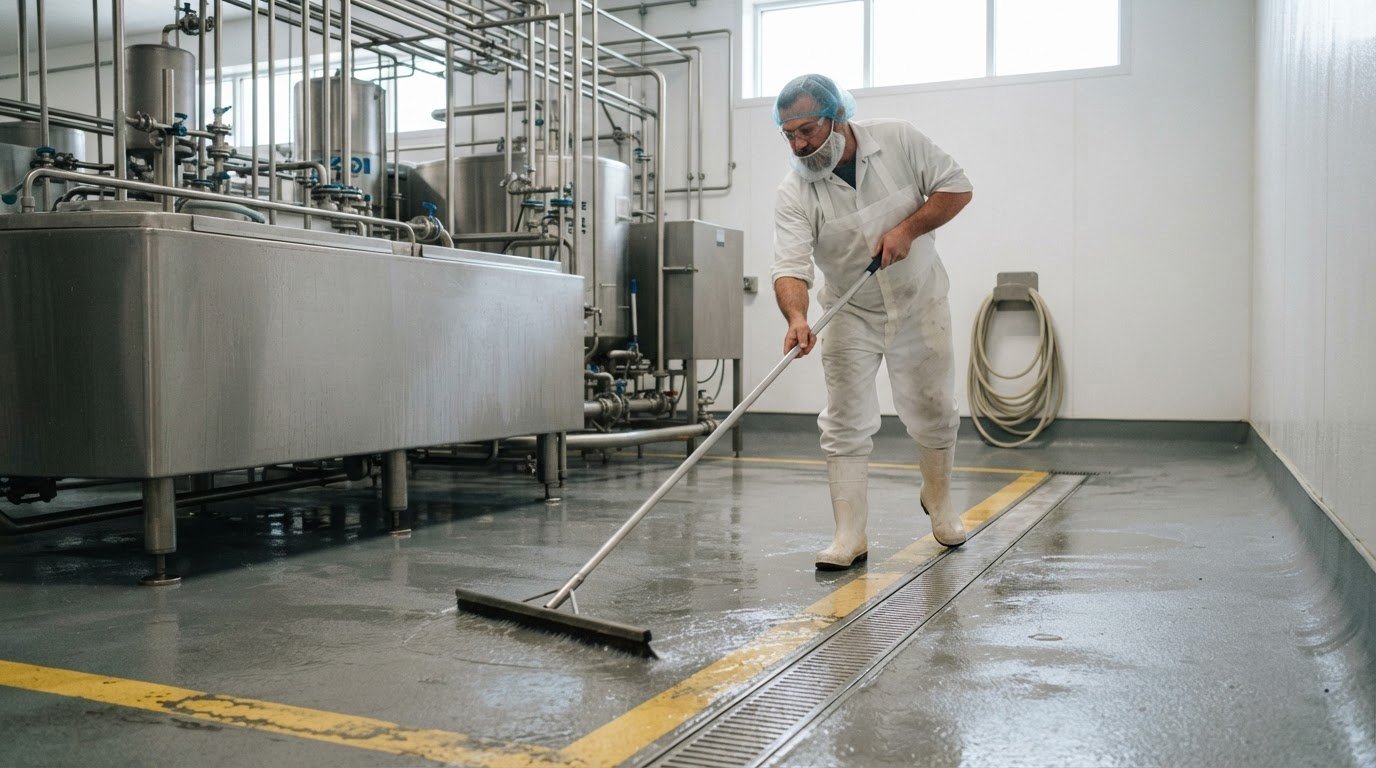
Industrial environments often present unique chemical and thermal challenges. For food-grade and pharmaceutical facilities, we offer low-VOC and odor-free options that prevent product contamination during application. Cold storage environments require specialized resins that can cure in sub-zero temperatures without losing their structural integrity. In high-risk zones, we provide custom solutions like acid-resistant coatings for battery charging areas to protect the concrete from electrolyte spills. These specialized applications ensure your facility maintains compliance with OSHA’s General Requirements for Walking-Working Surfaces while providing a durable, long-term solution for your most demanding zones. If you need to schedule a project that respects your production timeline, contact our scheduling team today for a phased installation plan.
Professional Standards for Georgia Industrial Markings
Maintaining the professional standards for warehouse floor striping Georgia facilities require involves more than just straight lines; it requires a deep understanding of federal safety mandates and operational logic. In the high-stakes environment of a distribution hub, every marking must serve a specific, functional purpose. By partnering with a veteran warehouse line striping company with over 29 years of experience, you ensure your facility meets rigorous 2026 industrial benchmarks. This tenure provides the seasoned expertise necessary to handle complex stenciling for dock doors and pallet positions, which are essential for inventory accuracy and driver navigation. We prioritize functional outcomes, ensuring that your facility’s layout is both intuitive for new staff and compliant with the latest ADA standards for indoor and outdoor industrial spaces.
OSHA Color Coding Guidelines
While OSHA doesn’t mandate one specific color for every scenario, industry best practices for 2026 have standardized several key identifiers to ensure universal recognition among workforce members. Adhering to these standards reduces training time and minimizes the risk of human error in high-traffic zones. We implement the following color logic:
- Yellow: Used for traffic lanes, work cells, and pedestrian aisles to signal caution and designate primary travel paths.
- Red: Reserved strictly for fire protection equipment, emergency exits, and “danger” zones where immediate hazards exist.
- Blue: Designated for information and equipment storage zones, such as areas for “work-in-progress” or specific tool locations.
- Green: Applied to identify safety equipment, including first-aid stations and eyewash locations.
Extending the Life of Your Lines
Durability is a product of both material quality and routine maintenance. To keep your high-visibility lines effective, we recommend a cleaning protocol that avoids harsh abrasive chemicals which can dull the finish of epoxy coatings over time. Regular use of industrial floor scrubbers with soft-bristle attachments helps maintain the reflective properties of the stripe. It’s also vital to integrate your interior layout with professional parking lot line striping to create a cohesive safety plan from the gate to the loading dock. When lines begin to show significant wear from heavy forklift pivoting, you should schedule a professional assessment to determine if a simple re-stripe is sufficient or if full line removal is required to maintain a clean, professional profile. This proactive approach prevents the buildup of layered, peeling paint that can create trip hazards and obscure vital safety information.
Optimizing Your Facility for 2026 Operational Demands
Your facility’s safety and efficiency depend on the precision of your floor markings. By prioritizing mechanical surface preparation and high-performance epoxy systems, you ensure your safety lines remain visible and durable under intense forklift traffic. We understand the high stakes of Georgia’s logistics corridors and the need for zero operational downtime. Our team brings over 29 years of industrial experience to every project, acting as a safety-conscious partner invested in your organization’s success. We specialize in high-durability epoxy systems (materials engineered to withstand constant chemical and abrasive friction) and offer night and weekend scheduling to keep your freight moving without interruption. If you’re ready to enhance your facility’s safety record and streamline your traffic flow, Get a Professional Quote for Your Georgia Facility Today. Investing in the professional warehouse floor striping Georgia facilities rely on is a commitment to long-term reliability and worker protection. We look forward to helping you build a safer, more efficient industrial environment.
Frequently Asked Questions
How long does warehouse floor striping typically last in a high-traffic Georgia facility?
High-performance epoxy striping typically lasts between three to five years in high-traffic zones, whereas standard traffic paint often fails within months. The longevity of the warehouse floor striping Georgia facilities implement depends heavily on the volume of forklift pivoting and the quality of initial mechanical surface preparation. In high-humidity environments, we utilize moisture-tolerant resins to prevent delamination and ensure the markings remain visible for their full service life.
What is the difference between shot blasting and diamond grinding for line removal?
Shot blasting is a high-velocity mechanical process that uses steel grit to strip old lines and create a deep profile for epoxy adhesion. Diamond grinding uses rotating abrasive discs to shave the surface, making it ideal for thinner coatings or environments requiring minimal vibration. We typically recommend shot blasting for heavy-duty line removal because it provides a superior “tooth” (a textured surface) that ensures a permanent chemical bond with new industrial coatings.
Can you stripe a warehouse floor while the facility remains operational?
Yes, you can maintain operations by utilizing phased installation and off-peak scheduling. We coordinate with facility managers to stripe specific zones while traffic is diverted to other sections of the warehouse. By using fast-cure polyaspartic or MMA materials, we further reduce the window of restricted access. This strategic approach ensures that your logistics flow continues without interruption while we upgrade your safety infrastructure during nights or weekends.
Does Georgia have specific OSHA requirements for warehouse floor marking colors?
Georgia follows federal OSHA standards, specifically 29 CFR 1910.22, which requires clear and permanent marking of aisles and passageways. While OSHA doesn’t mandate a specific color palette for every situation, industry best practices define yellow for traffic lanes and red for fire equipment. We act as safety-conscious consultants to ensure your warehouse floor striping Georgia project aligns with these accepted standards, which helps you avoid costly non-compliance fines during inspections.
How long is the curing time for epoxy line painting before forklifts can drive on it?
Standard epoxy line painting typically requires 24 hours for light foot traffic and 48 to 72 hours for heavy forklift use. However, modern fast-cure systems allow for forklift re-entry in as little as 4 to 12 hours depending on the temperature and humidity levels. We prioritize your operational needs by selecting materials that offer the fastest possible return-to-service time without compromising the structural integrity or chemical resistance of the finished safety lines.
Are there specific markings required for forklift battery charging stations in Georgia?
Battery charging areas require specialized markings that designate safe clearance distances and identify the location of emergency eyewash stations. We often apply acid-resistant novolac epoxy borders in these zones to protect the underlying concrete from electrolyte spills (battery acid) that can cause structural degradation. These markings must be clearly visible and high-contrast to ensure operators maintain proper safety protocols in these high-risk areas of your industrial facility.