What if the quickest way to remove a floor marking is also the one most likely to damage the surface beneath it? Removing permanent floor marking paint takes more than choosing a powerful tool. The right approach depends on the paint, the floor material and any existing coating, as well as how much disruption your facility can manage.
It’s reasonable to want old lines gone quickly, but aggressive grinding or blasting can affect concrete and coatings when the method isn’t suited to the surface. Chemical removal has its own handling and cleanup requirements, while mechanical work calls for effective dust control and operational planning. A poor match can mean extra repairs, downtime, or a floor that isn’t ready for new markings.
This guide explains how to assess the marking and floor, compare removal approaches, and plan for safety, dust, and facility operations. You’ll also learn how to prepare the surface for replacement lines. StripeGuys brings over 29 years of industry experience to warehouse line removal and floor marking removal, using mechanical methods such as shot blasting and grinding to suit project needs.
Key Takeaways
- Match the removal method to the marking’s type, age, and thickness, along with the floor material and any existing coating.
- When removing permanent floor marking paint, weigh chemical stripping, shot blasting, and grinding against surface impact, dust, cleanup, and facility downtime.
- Use a planned workflow: identify materials, inspect and test the floor, isolate the work zone, remove markings, then inspect the result.
- Review routes, aisles, staging zones, and pedestrian paths before laying out replacement markings.
- Prepare the surface for new paint or epoxy lines so updated markings have a clean, suitable base.
What Makes Permanent Floor Marking Paint Difficult to Remove?
Permanent floor marking paint is a durable coating applied to concrete or an already coated floor to define traffic lanes, work zones, and other facility markings. Its staying power is useful during daily operations, but it can make removal more complex than scraping away a surface layer. Paint formulation, age, thickness, and previous floor treatments all affect how firmly a marking bonds and what lies beneath it.
The substrate and the condition of its existing coating should guide method selection. This helps reduce the risk of leaving pigment behind or removing sound floor material along with an unwanted line.
How paint, concrete, and coatings affect removal
Concrete is porous, so paint can penetrate its surface. Even after the visible line is gone, pigment may remain in the pores, or the treated area may look different from the surrounding floor. That contrast can be more noticeable when the concrete has aged or has been treated before.
Coated floors need a different level of care. A method that cuts too deeply can lift or abrade a sound coating along with the marking, adding surface-preparation work. Test a small, discreet area first. This can show how the marking responds and whether removal is likely to change the floor before work expands across a larger zone.
Why permanent markings are not all the same
A thin, single coat of paint may respond differently from a thick line or one built up through repeated repainting. A heavier marking can take more work to remove and may leave a sharper contrast on porous concrete. Chemical products and mechanical approaches, such as grinding or shot blasting, work in different ways. This overview of chemical and mechanical removal methods explains the broad differences.
First identify whether the marking is actually paint. Adhesive floor tape comes off as a bonded strip and may leave adhesive residue. An integrated floor coating is part of the floor’s protective layer, not paint sitting on top. Treating it like a painted line can damage the surface.
Before choosing an approach, identify the floor finish and marking material. Then assess the marking’s age and thickness, and check whether the floor has been treated before. For a related example of facility marking needs, see parking garage striping and floor marking.
Chemical Strippers vs. Mechanical Removal: How the Methods Compare
No single removal method suits every marking and floor condition. Choose based on the marking material, the floor beneath it, the area’s size, and the surface finish needed for new paint or epoxy lines. Chemical stripping loosens paint with a compatible product. Shot blasting and grinding remove it through mechanical abrasion. Each approach has limitations to account for when planning the work.
| Method | May suit | Limitations to consider |
|---|---|---|
| Chemical stripping | Markings that respond to a stripper compatible with the paint and substrate. | Requires product-specific handling, ventilation, access control, and residue management. May affect some coatings or leave residue that needs removal. |
| Shot blasting | Durable markings across larger areas where mechanical removal and the resulting surface profile fit the next step. | Can alter the floor surface if not matched to its condition and finish. Dust, equipment access, and work-zone controls need planning. |
| Grinding | Markings in areas where controlled mechanical abrasion is appropriate. | Can abrade or damage sound coatings if applied too aggressively. Dust control and equipment setup are essential considerations. |
When chemical paint removal may be considered
A stripping product may be an option if it is intended for the marking and safe to use on the substrate. Read its directions and Safety Data Sheet (SDS) before starting. Plan ventilation, personal protective equipment, access restrictions, and residue handling according to the product guidance. Methylene chloride is prohibited for most commercial paint and coating removal uses as of April 28, 2026. For any applicable use, consult OSHA’s methylene chloride standard and current guidance.
When shot blasting or grinding may fit
Both methods work the floor surface to remove markings, but they can leave different surface profiles. Shot blasting may suit broad areas, while grinding can be appropriate for targeted removal. The right choice depends on floor condition and what comes next, especially if a new coating needs a suitably prepared surface. For facilities that opt to refine the concrete slab rather than reapply topical layers, commercial solutions such as mechanical polished concrete Melbourne illustrate how multi-stage mechanical grinding can smooth and densify the surface. In an active facility, plan equipment access, dust controls, and work zones to limit disruption.
For large-scale floor marking removal, StripeGuys provides warehouse line removal using project-specific mechanical methods, including shot blasting and grinding. Discuss your floor marking removal project and plan the removal method alongside the next surface-preparation steps.

How to Plan Floor Marking Paint Removal Safely and Effectively
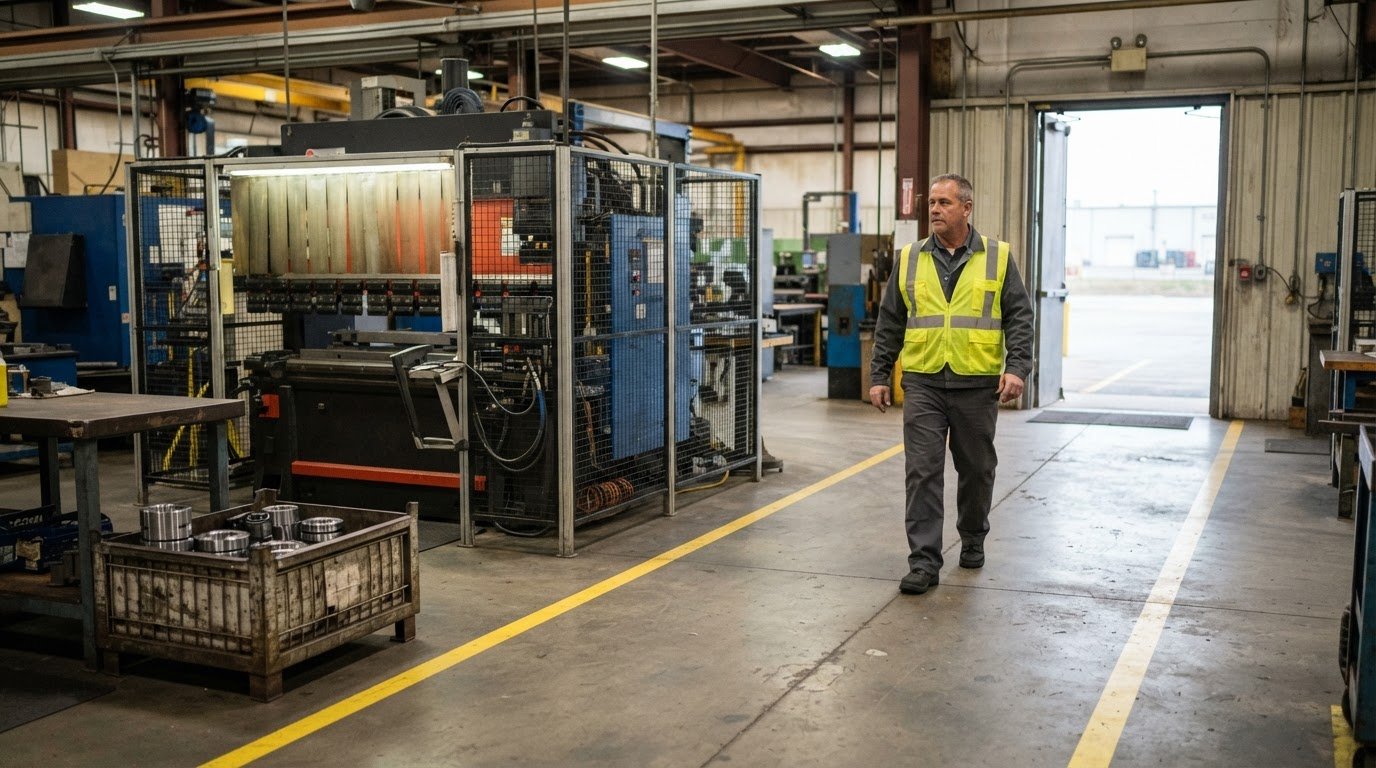
A controlled work plan helps protect the floor and prevent removal from interfering with vehicle routes, pedestrian access, and essential facility operations. Before removing permanent floor marking paint, map the work area and decide how people and equipment will move around it.
Inspect and test before removing a full layout
Record the marking locations, approximate coverage, floor condition, and any existing coating. A discreet test area can show how the marking responds and whether removal affects the finish or leaves residue. If the test reveals coating loss, gouging, or unexpected surface changes, stop and reassess the method before expanding the work.
- Identify materials: Determine whether the lines are paint and note the floor finish or coating.
- Inspect the floor: Look for worn coatings, cracks, and other conditions that may affect removal.
- Test a small area: Check removal response, surface appearance, and residue.
- Isolate the work zone: Use barriers and clear communication to separate workers and equipment from facility traffic.
- Remove the markings: Follow the selected method and plan controls for dust, ventilation, PPE, and waste handling according to product instructions and site procedures.
- Inspect the result: Check for remaining paint or residue, roughness, and changes to the floor finish.
Control access and check the surface afterward
Schedule work around active vehicle routes, pedestrian paths, loading activity, and other operations. If the layout needs both removal and replacement, coordinating the work with warehouse line striping services can align the removal area with the updated marking plan. OSHA’s standard for mechanical paint removal in shipyard employment covers a specific work setting, so its scope should not be assumed to apply to every facility. Plan controls using guidance relevant to the work and equipment involved.
After removal, confirm the surface is suitable for the next step, including new paint or epoxy lines. StripeGuys provides warehouse line removal and floor marking removal, with surface preparation to support replacement markings. Discuss a floor marking removal project and plan the work around your facility’s layout and operations.
After Paint Removal: Prepare the Floor for Clear, Durable Markings
Removing permanent floor marking paint is only part of the project. The surface must be suitable for the next marking system, and the replacement layout should reflect how the facility operates now. Paint or epoxy lines applied over residue, dust, or loose material may not produce the intended result. Plan surface preparation around the floor’s condition and the application guidance for the new marking material.
Check surface readiness before applying new lines
Inspect the removal area before moving on. Look for paint residue, dust, loose material, rough patches, and damage to the concrete or existing coating. Address what you find using preparation suited to the floor and planned marking material. A new paint line may have different preparation needs from an epoxy line, and a worn or uneven floor may need a different approach from a sound surface.
Keep the assessment practical. Confirm the area is clean and prepared according to the new material’s instructions, and identify any surface damage that could affect the layout or application. Don’t assume the floor is ready just because the old lines are no longer visible. If your facility needs thorough cleanup following mechanical surface preparation or facility renovation, learn more about RPS Building Services to see how commercial post-construction cleaning solutions can help get the space ready.
Use removal as a chance to improve the layout
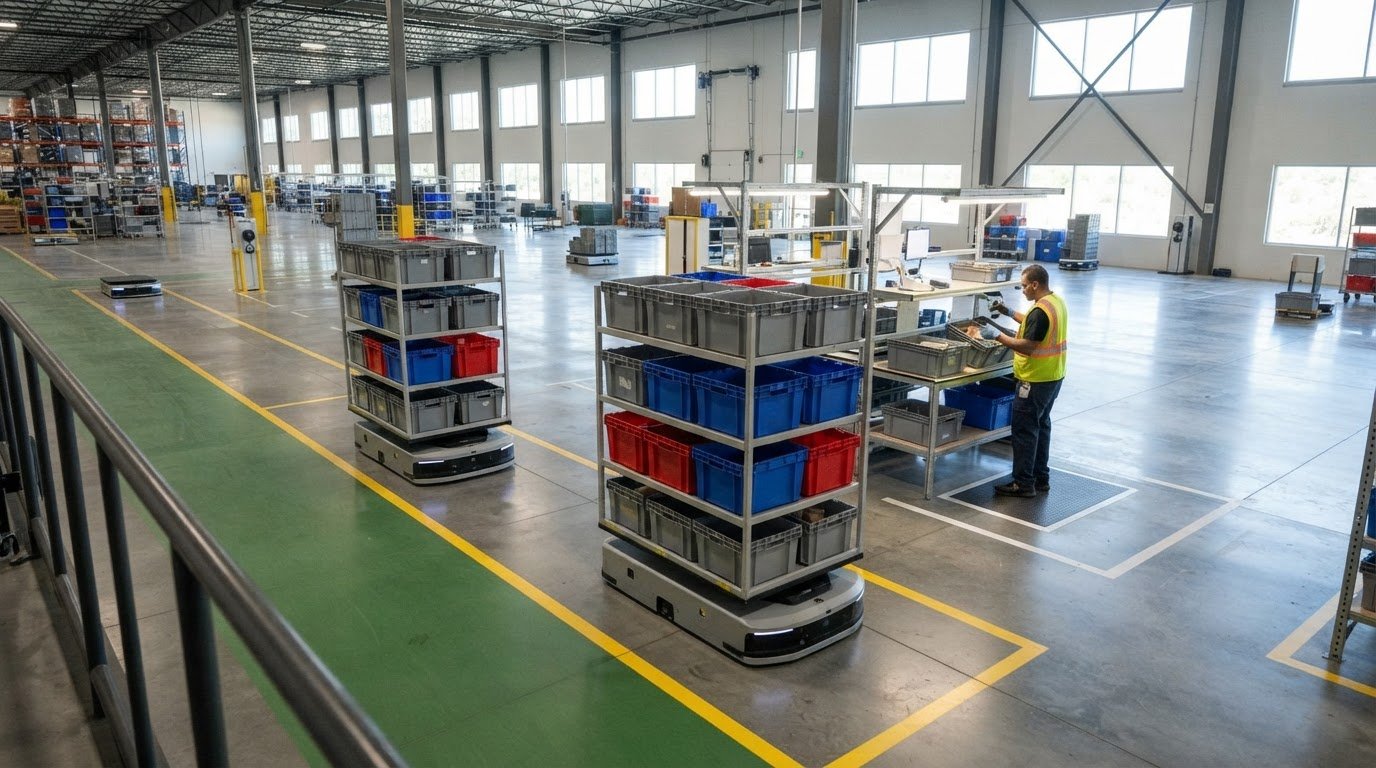
Before replacing markings, review whether they still match current operations. Aisles may have shifted, staging zones may have changed, and pedestrian paths may need clearer separation from vehicle routes. Coordinate line placement, colors, and access paths as part of one facility marking plan. Clear, consistent markings make routes easier to interpret and help prevent obsolete lines from competing with the new layout.
Replacement needs vary by facility. Epoxy warehouse striping provides relevant context for warehouse line applications, while parking garage floor marking illustrates how a different environment may call for a distinct layout. In either case, let floor condition and the operational plan guide the next step.
StripeGuys connects floor marking removal with surface preparation for new paint or epoxy applications. Plan your floor marking removal project with the replacement layout and facility needs in view.
Set Up Your Floor for the Next Marking Plan
Successful floor marking removal starts with a method suited to both the marking and the floor. Chemical stripping, shot blasting, and grinding each have different considerations, so inspect and test the surface before expanding the work. Then plan access, dust control, and work timing around facility operations.
Removing permanent floor marking paint is also a chance to prepare for what comes next. Check the floor for residue or damage, and review whether routes, aisles, staging zones, and pedestrian paths still match how your facility works. A clear replacement layout and properly prepared surface help move the project toward its next operational use.
StripeGuys brings over 29 years of experience to warehouse line removal and floor marking removal for commercial and industrial facilities across the United States. Mechanical options include shot blasting and grinding, selected to suit project needs and support surface preparation for new markings.
Plan your floor marking removal project and take the next step toward a clean surface and a clearer facility layout.
Frequently Asked Questions
How do you remove permanent floor marking paint from concrete?
Choose a removal method based on the paint, concrete condition, and any existing coating. Mechanical options include grinding and shot blasting. A compatible chemical stripper may also be considered when its instructions suit the paint and substrate. Test a discreet area first to see how the marking responds and whether the concrete’s appearance changes. Plan access, dust or residue controls, and cleanup before working across the full layout.
Can permanent floor marking paint be removed without damaging concrete?
Damage can be reduced, but it can’t be ruled out without assessing the floor and testing the method. Concrete may retain pigment in its pores, and aggressive abrasion can change its surface. Start with an inspection and a small test area. If the test reveals gouging, unexpected discoloration, or damage to an existing coating, stop and reassess before continuing across the floor.
What is the difference between grinding and shot blasting for floor paint removal?
Both methods remove markings through mechanical abrasion, but they interact with the floor differently. Grinding uses an abrasive tool against the marked surface and can be useful for targeted work. Shot blasting propels abrasive media at the floor and may suit broader areas. Either method can alter the surface profile, so consider floor condition, work-zone access, dust control, and the requirements of the next coating when selecting an approach.
Can I use a chemical paint stripper on warehouse floor markings?
Consider a stripper only if it’s compatible with both the marking and the floor or coating beneath it. Read the product directions and Safety Data Sheet before use, and plan ventilation, access control, protective equipment, and residue handling accordingly. Test a small area to check the result and any effect on the substrate. Don’t assume a product intended for one surface is suitable for another.
How do I prepare a floor after removing old markings?
Inspect the area for paint residue, dust, loose material, roughness, and damage before applying replacement markings. Clean and prepare the surface according to its condition and the instructions for the new paint or epoxy. Confirm the floor is dry when the application guidance calls for it. Review the layout too, including aisles, staging zones, vehicle routes, and pedestrian paths, so new lines reflect current facility operations.
Should I hire a contractor to remove permanent warehouse floor paint?
Professional removal can be useful when markings cover a large area, the floor has an existing coating, or the work must be coordinated with facility operations and replacement striping. StripeGuys provides warehouse line removal and floor marking removal, using mechanical options such as shot blasting and grinding. With over 29 years of experience serving commercial and industrial projects across the United States, StripeGuys can connect removal planning with surface preparation for new markings.