Painting over existing floor lines can update a warehouse layout with less disruption, but a fresh coat won’t fix every marking. If the existing paint is peeling, poorly bonded, or positioned where it could confuse traffic, covering it may leave a weak surface or a misleading outline beneath the new lines.
It’s reasonable to want a durable update without shutting down more of your facility than necessary. The right choice depends on the floor’s condition, coating compatibility, and whether the revised layout will read clearly against old markings. This guide explains how to assess those factors, prepare the surface for new paint, and decide when removal is the better starting point.
You’ll also learn how mechanical removal methods such as grinding and shot blasting can prepare a cleaner surface for new striping, and how to plan the work around facility safety and operations. With more than 29 years of experience in warehouse floor striping and line removal, StripeGuys helps commercial and industrial facilities update their markings with a focus on clear layouts, sound preparation, and efficient operations.
Key Takeaways
- Assess the condition of the coating, floor, and planned layout before deciding whether to paint over existing floor lines.
- Check coating compatibility and project specifications before choosing a paint system, and prepare the floor to meet the system’s requirements.
- Compare repainting with removal based on the old markings’ condition, the layout change, the finish needed, and operational constraints.
- Document current markings, define the new layout, assess and prepare the floor, then apply and review the revised lines.
- Plan work zones and traffic changes in advance to help facility teams maintain safe operations during the update.
Can You Paint Over Existing Floor Lines? Start With the Surface
Sometimes, but assess the existing marking, floor coating, substrate condition, and planned layout before deciding. Painting over existing floor lines isn’t automatically a sound shortcut. New paint may not bond reliably to a failing layer, and old boundaries can remain visible or compete with revised markings. Start with the surface, not simply the goal of avoiding removal.
Look beyond the color. Peeling paint, raised edges, residue, surface damage, or several layers of old coating can affect preparation and the finished result. Even a marking that looks intact may sit on a floor system that needs a different preparation method. Coating compatibility and surface requirements depend on the materials and project specifications, so don’t assume one paint system will work over every floor.
What should you inspect before painting over floor markings?
Walk the full marking area and note whether lines are firmly bonded, worn, peeling, or lifting at the edges. Identify the substrate and any coating already on it. Look for oil, dust, residue, moisture, cracks, or other damage that could interfere with preparation or adhesion. A small test area may help assess the planned application, but it doesn’t replace following the coating’s specifications.
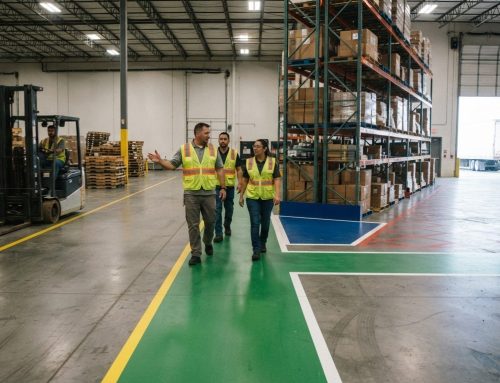
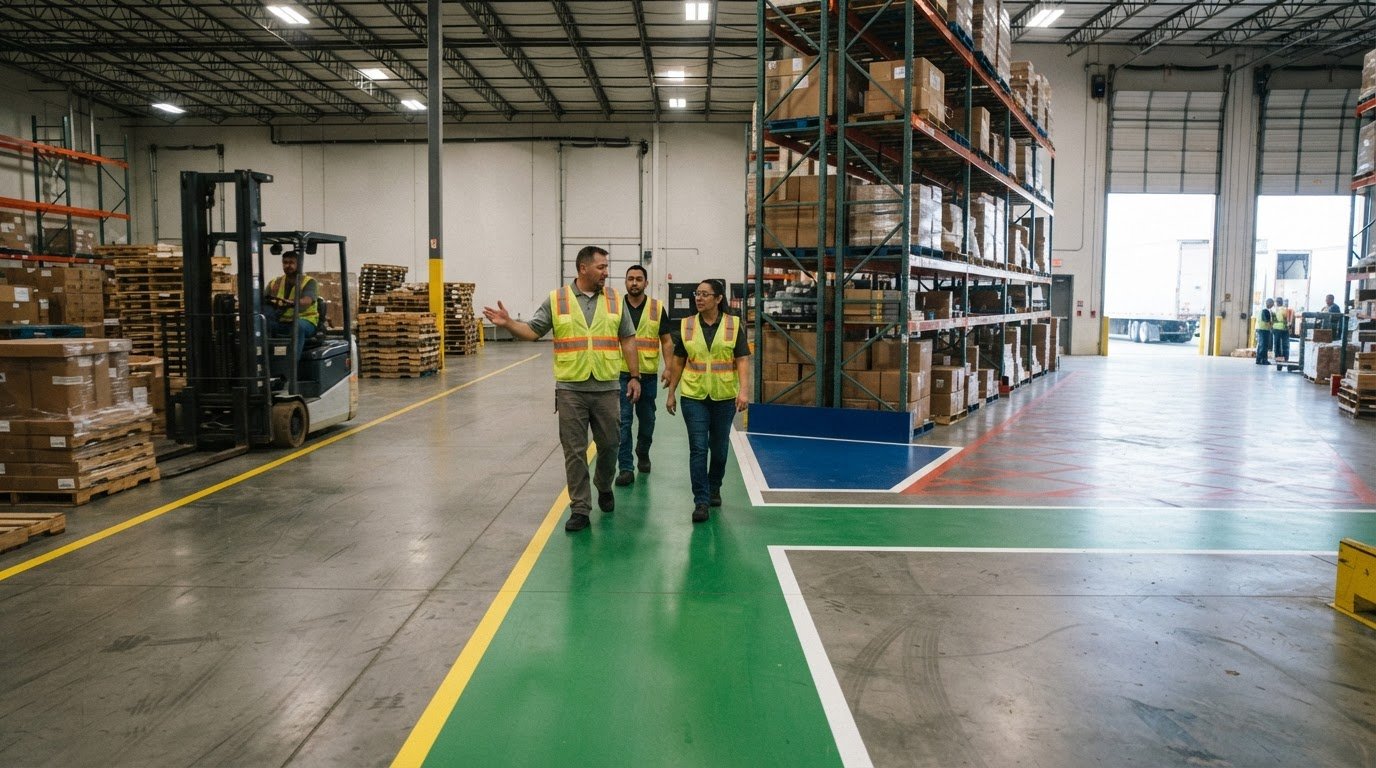
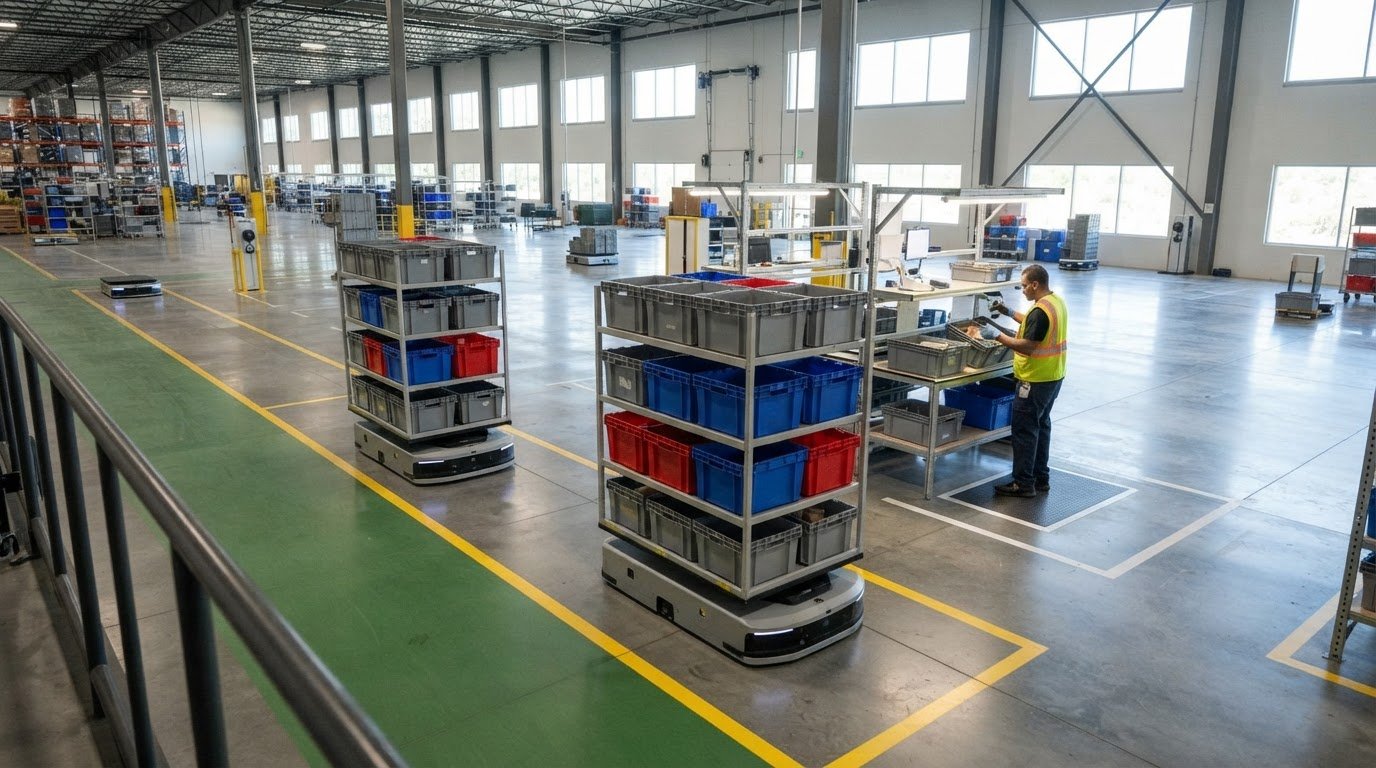
Map where the new lines will sit in relation to the old ones. For layouts that include pedestrian routes and safety aisles, pedestrian walkways and safety aisles need clear, distinguishable boundaries. If a revised route crosses an obsolete line, applying a new color alone may leave two competing visual cues.
Why can old lines show through a new coat?
Contrast, thickness, coating condition, and application all influence the final appearance. A dark or thick stripe beneath a lighter coat may remain visible, while raised edges can leave a ridge even if the color is concealed. If the old paint is loose, adding another layer won’t make the underlying surface sound. More coats also won’t resolve a layout that leaves outdated lines looking active.
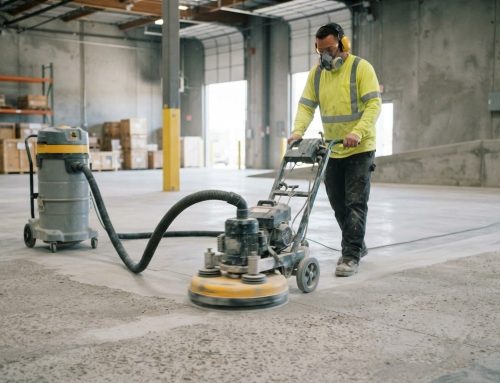
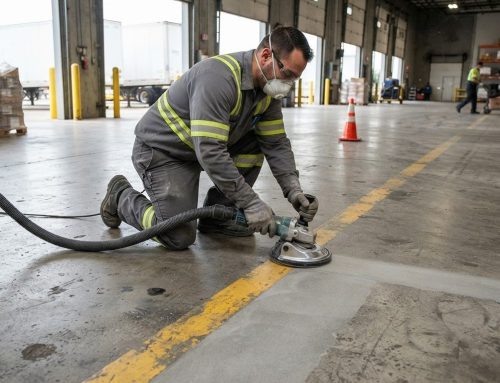
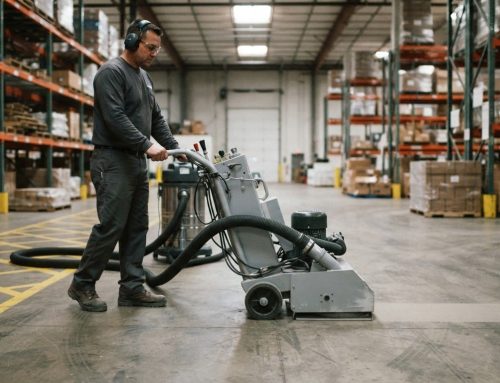
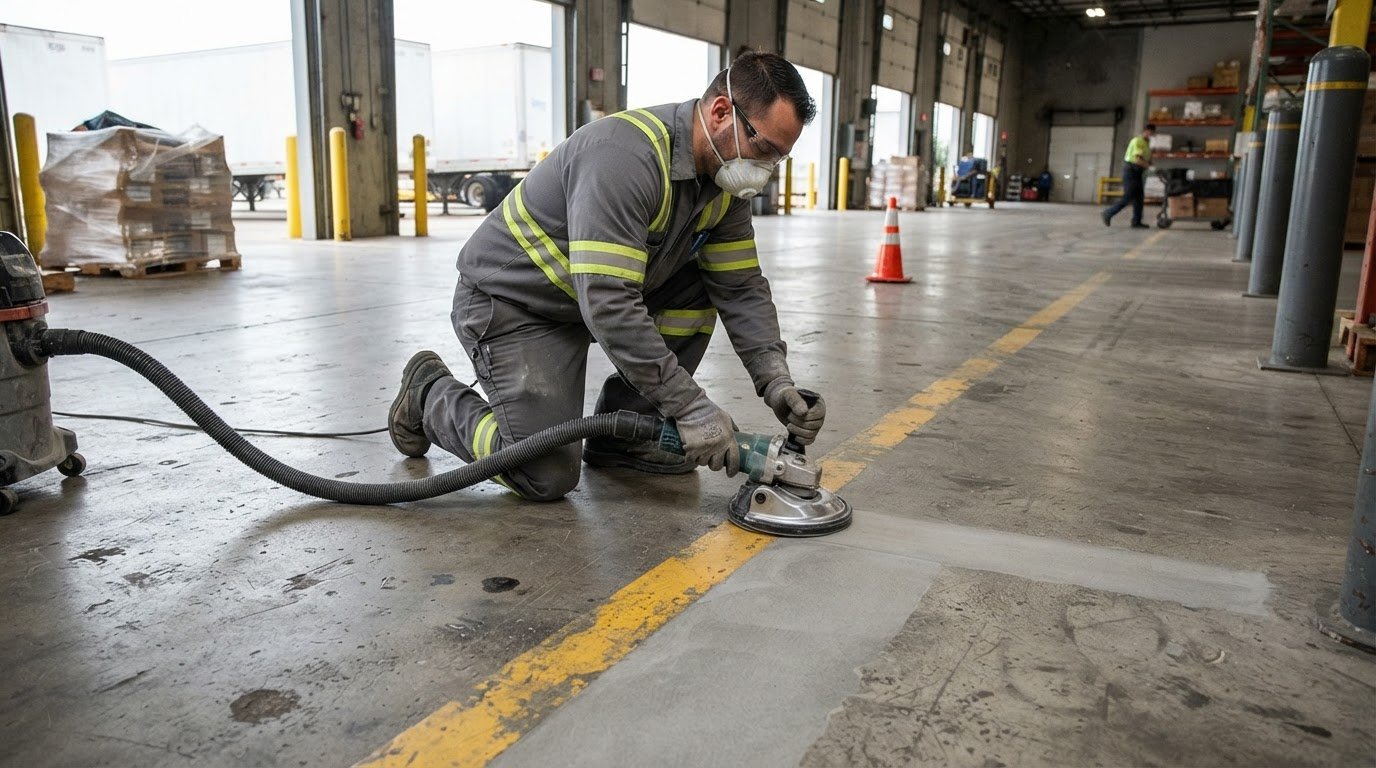
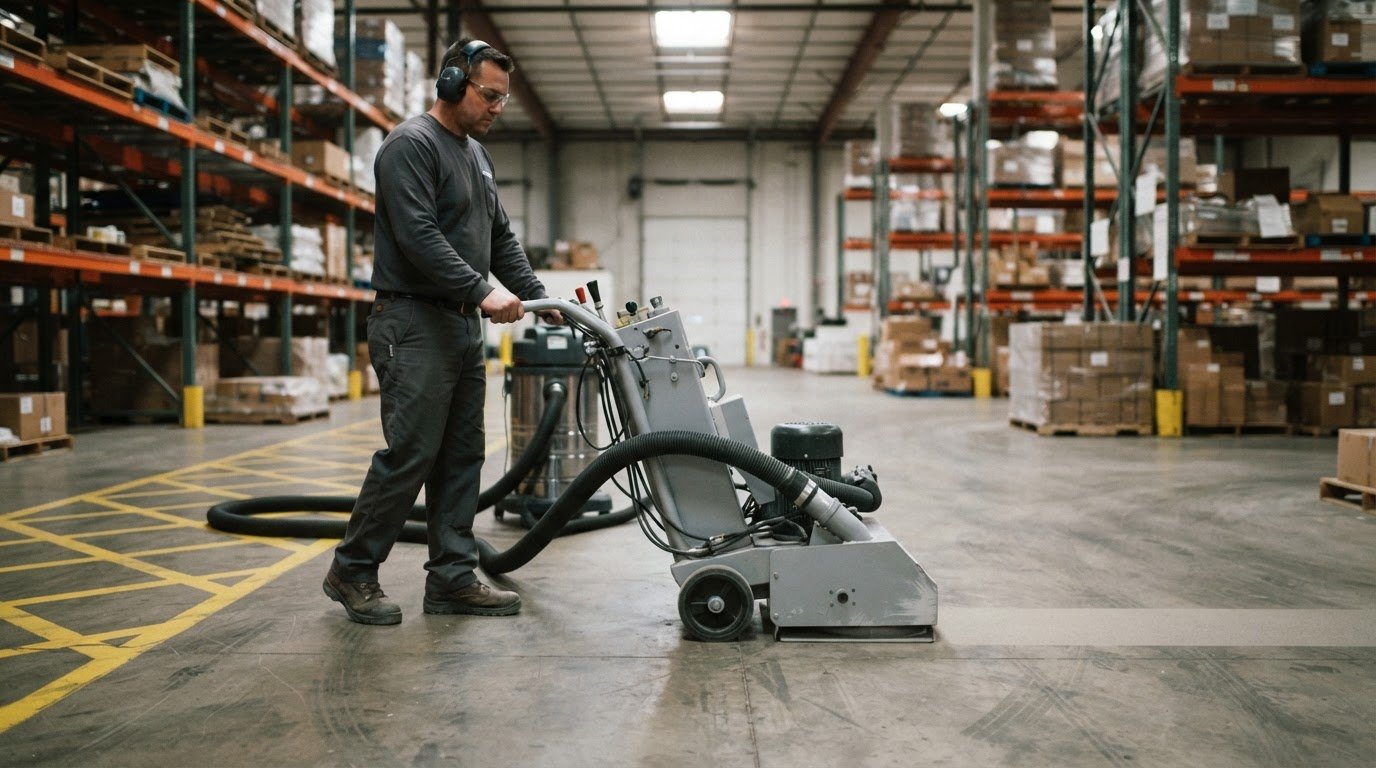
A successful repaint combines sound adhesion, a properly prepared surface, and markings that read clearly. If old lines are compromised or their outlines could confuse traffic, removal may provide a cleaner starting point for the revised layout. StripeGuys uses mechanical methods such as grinding and shot blasting for warehouse line removal and floor preparation. Assess the surface and the visual result together before choosing whether to repaint or remove.
How Floor Coatings and Surface Preparation Affect New Line Paint
A new line’s bond depends on more than the paint selected. The existing floor system, old marking material, surface condition, and project specifications all affect the appropriate preparation and application. Concrete and a previously coated floor, such as one with epoxy, may present different conditions. A surface can look sound and still need assessment before another marking system is applied.
Evaluate coating compatibility and surface preparation together, based on the products and conditions at the site. For painting over existing floor lines, preparation means removing contaminants and compromised material, then creating a suitable surface for the next application. Oil, dust, residue, moisture, loose coating, and buildup can all affect the work. Follow the coating manufacturer’s requirements and project specifications rather than assuming a new layer will bond to any existing finish.
Does new paint bond to every existing floor coating?
No single answer applies to every floor. The substrate, existing coating, and marking material all matter. A line applied over a coated surface may behave differently from one on bare concrete, and an old marking may not be compatible with the planned system. Evaluate the full application area, including the surrounding floor, so the new line and its edges have a suitable base.
Preparation can involve two distinct tasks: removing the unwanted line and preparing the area around it. Clearing the stripe alone may not address contaminants or compromised coating nearby. OSHA’s OSHA 1910.22 Walking-Working Surfaces provides context for maintaining safe walking-working surfaces. Facility teams should apply relevant requirements to their site and use case.
When do shot blasting or grinding enter the process?
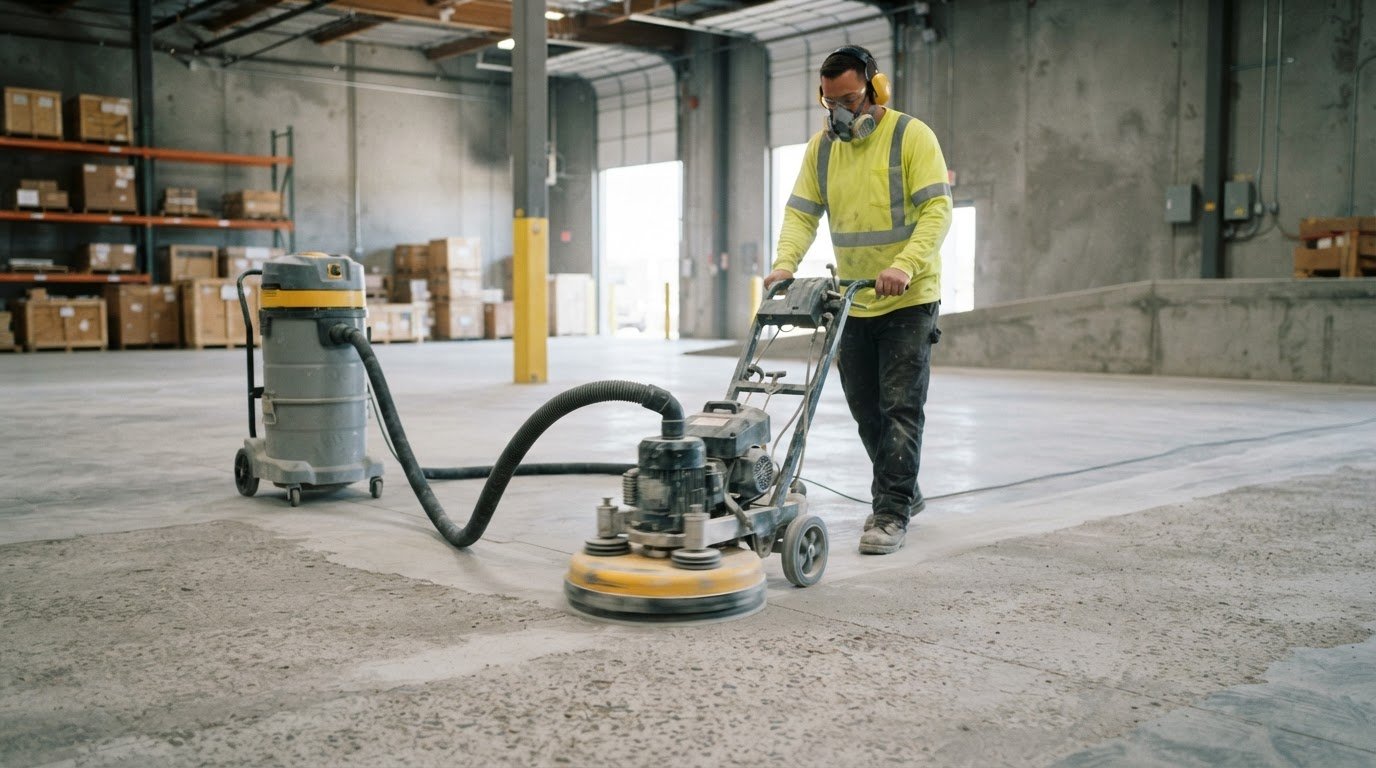
Shot blasting and grinding are mechanical methods used in floor-marking removal and surface preparation. The appropriate method depends on the floor, existing materials, and project requirements; neither is a universal choice. StripeGuys uses both methods for warehouse line removal, helping facilities prepare for revised markings. A project involving warehouse line removal can pair removal planning with the new layout, while the selected line-paint system must still suit the prepared surface.
For epoxy applications, review the system’s requirements before work begins. StripeGuys provides epoxy warehouse striping for facilities planning new markings. To plan removal and repainting around your floor conditions and facility operations, discuss your line-marking project.

Paint Over or Remove Existing Floor Lines? Compare the Two Approaches
Neither repainting nor removal is right for every floor. Choose based on the floor’s condition and the clarity the revised layout requires. Painting over existing floor lines is worth evaluating when the markings and surface suit the planned system and the old layout won’t remain visually confusing. Consider removal when lines are damaged, obsolete, or likely to compete with new boundaries.
| Decision factor | Paint over existing lines | Remove before repainting |
|---|---|---|
| Surface condition | Consider only if existing markings and the surrounding surface are sound and suitable for the new system. | Assess when lines peel, lift, or sit within damaged or built-up coating. |
| Layout changes | May suit a revision that doesn’t leave obsolete routes or boundaries visible. | Worth considering when the new plan replaces or crosses old markings. |
| Appearance | Old line contrast or raised edges may still show beneath the new application. | Can clear unwanted markings that may compete with the revised layout. |
| Preparation | Requires a suitable surface and preparation consistent with the selected system. | Line removal is followed by assessment and preparation of the floor for new markings. |
| Operations | Plan application zones and traffic changes around the work. | Plan for removal and subsequent striping, coordinating work areas and traffic changes. |
When might painting over existing lines be considered?
Consider repainting in place when old lines are firmly bonded, the floor is appropriate for the planned marking system, and the updated layout won’t leave confusing outlines. Verify compatibility and follow the system’s preparation instructions. As a practical check, employees and equipment operators should be able to distinguish the intended routes and work zones from any markings that remain underneath.
When is removing old lines the better planning choice?
Peeling, damaged, layered, or no-longer-valid markings are reasons to assess removal before applying new lines. An obsolete stripe can still suggest an active aisle or boundary, especially where new routes cross it. Clear, legible pedestrian walkways and safety aisles matter to a layout’s usability, so account for old markings when planning the new scheme.
Removal and repainting involve different preparation needs, and the right sequence depends on the floor and project conditions. There’s no universal claim that one approach is cheaper, faster, or more durable. StripeGuys provides warehouse line removal, including mechanical removal methods, and new warehouse striping for facilities updating their markings. Discuss your floor-line removal and repainting project to plan the work around your floor’s condition and revised layout.
Plan a Floor-Line Repaint Around Safety, Layout, and Facility Operations
A floor-marking update needs a work plan as well as a paint plan. Set the new layout and work sequence before crews begin, so facility teams know which routes are changing and where access will be restricted. Whether the project involves painting over existing floor lines or removing them first, coordinate the work with how people, forklifts, and materials move through the facility.
- Document current markings. Record active routes, work zones, intersections, and lines that may be obsolete.
- Define the revised layout. Show intended pedestrian paths, equipment routes, and operating areas so the new markings serve the facility’s needs.
- Assess the floor. Review the substrate, existing coating, markings, and visible damage to plan the appropriate work.
- Prepare and apply. Set work boundaries, complete the required surface preparation, then apply the selected marking system according to its specifications.
- Review the result. Check for leftover lines, ambiguous intersections, and inconsistent boundaries before normal traffic resumes.
How can facilities phase floor-marking work?
Divide the project into practical work areas and coordinate equipment movement, access routes, and communication with affected teams. Before redirecting warehouse or production traffic, define temporary routes and clearly establish the limits of each work zone. The right phasing depends on the facility’s layout and project scope, so don’t assume every area can be taken out of use in the same way.
What should the finished markings accomplish?
The completed layout should make traffic flow, pedestrian routes, and work zones easy to distinguish. Walk the updated routes and inspect intersections from the perspective of people and equipment operators. Look for old lines that still suggest a route, unclear transitions, or boundaries that change without a clear reason. Revise the plan if the markings could be read in more than one way.
Regulatory requirements can depend on the facility and how its areas are used. Verify current, applicable OSHA requirements and other relevant guidance for the specific site rather than relying on a general rule of thumb. Keep that review connected to the documented layout and the facility’s operating procedures.
For complex industrial updates, coordinating removal and new striping as one project can help align surface preparation with the revised layout. StripeGuys brings more than 29 years of experience in warehouse striping and mechanical floor-marking removal, including shot blasting and grinding. Discuss your floor-marking project and plan the work around your facility’s conditions and operations.
Set Your Floor-Marking Update Up for Success
Turn your assessment into a clear project plan. Decide what the updated routes and work zones need to communicate, then align the removal or repainting approach with the floor’s condition and the facility’s operating requirements. That keeps the decision about painting over existing floor lines grounded in the site, not just in the appeal of applying another coat.
A coordinated plan can also help teams prepare for changed access and keep the new layout easy to follow once work is complete. StripeGuys supports commercial and industrial facilities with warehouse striping, epoxy line painting, and mechanical line removal using shot blasting or grinding. The right scope depends on the floor and the marking plan.
Plan your floor-marking update with StripeGuys. Align surface preparation, clear markings, and facility needs so the revised layout works for your operation.
Frequently Asked Questions
Can you paint over floor marking tape?
Usually, don’t assume paint will bond properly to floor marking tape. Tape may have a smooth surface, and its edges can lift or show through the new coating. If the tape is loose, damaged, or incompatible with the planned paint system, remove it and prepare the exposed floor according to the coating requirements. Paint over tape only when the tape and paint manufacturers’ instructions support that application and the finished marking will remain clear.
How long should new floor markings cure before forklift traffic returns?
There isn’t one cure time that applies to every floor marking. The required time depends on the selected coating and conditions at the facility, so follow the product’s curing instructions rather than estimating by touch or appearance. Keep forklifts and other traffic off the marked area until the coating has reached the specified condition for service. Include that restricted access in the work plan so operators aren’t routed across uncured lines.
Can a warehouse repaint floor lines without shutting down operations?
Sometimes, by phasing work into controlled areas, but whether operations can continue depends on the facility layout and project scope. For example, a team may redirect traffic around a marked work zone while keeping a separate route available for people and equipment. Plan temporary routes, access restrictions, and staff communication before work starts. Don’t send traffic across an active work area or reopen a section before it’s ready for use.
Does OSHA require specific colors for warehouse floor lines?
OSHA’s color requirements distinguish certain hazards, but they don’t mean every warehouse aisle line must use one specific color. Under 29 CFR 1910.144, red identifies fire protection equipment and danger or emergency-stop controls; yellow designates caution and physical hazards. Aisle markings should clearly define the area. Apply requirements to the facility’s actual use, and verify current OSHA guidance and other applicable rules before finalizing a color scheme.
What should a facility document before changing its floor-line layout?
Document current routes and markings before changing them. Record which lines are active, what each work zone is for, where pedestrian and forklift paths intersect, and which markings are obsolete. A marked-up floor plan, photos of intersections, and notes from affected teams can help expose conflicts that aren’t obvious from a single aisle. Keep a dated copy of the approved revised layout so crews and operators work from the same plan.