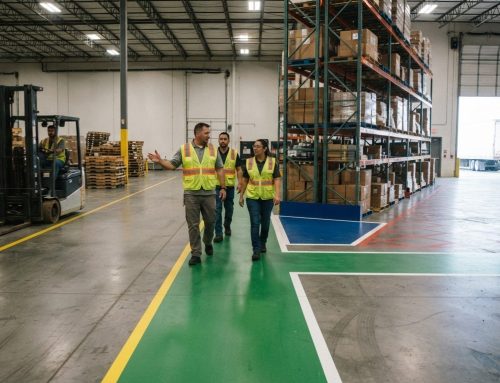
A single “serious” violation of OSHA regulation 29 CFR 1910.176(a) can now result in a penalty of up to $16,550 per instance. With the Warehouse National Emphasis Program (NEP) active through July 2026, federal inspectors are prioritizing the visibility of permanent aisles and passageways more than ever before. You’ve likely felt the frustration of watching standard floor tape peel under forklift tires or seeing cheap paint fade into the concrete within months. It’s a cycle that creates safety hazards and leaves your facility vulnerable during surprise audits.
This guide provides the technical roadmap you need to master 2026 OSHA floor marking requirements, helping you eliminate forklift-pedestrian near-misses and avoid costly fines. We’ll examine the critical choice between epoxy vs paint for warehouse floor striping (the process of applying durable lines to concrete substrates) to determine which solution offers the lowest total cost of ownership. You’ll learn how to implement ANSI-aligned color coding and professional surface preparation methods, such as shot blasting, to ensure your facility passes inspections and maintains clear traffic lanes for years, not just weeks.
Key Takeaways
- Understand the specific requirements of OSHA 1910.176(a) regarding permanent aisle markings to protect your facility from 2026 inspection penalties.
- Adopt standardized safety color codes, such as yellow for traffic lanes and red for fire hazards, to simplify employee training and improve reaction times.
- Compare the lifecycle costs of epoxy vs paint for warehouse floor striping to select a high-durability solution that survives heavy forklift traffic.
- Establish a proactive maintenance schedule that identifies failing lines and eliminates dangerous “ghost lines” before they cause operational errors.
- Discover why mechanical surface preparation, like shot blasting, is essential for achieving a long-lasting bond between the marking and the concrete substrate.
Core OSHA Floor Marking Requirements and Regulations
Compliance in a modern distribution center starts with understanding OSHA Standard 1910.176(a). This regulation dictates that permanent aisles and passageways must be “appropriately marked.” While the federal text remains intentionally broad, visibility is the primary metric used by inspectors during audits. If a forklift operator cannot clearly distinguish a pedestrian path from a storage zone, the facility is non-compliant. When evaluating epoxy vs paint for warehouse floor striping, durability is the primary metric for long-term compliance. Standard 1910.144 further clarifies that safety color codes must be used to identify physical hazards, such as red for fire protection equipment or danger zones. We combine 29 years of industrial experience with national service coverage to help managers translate these vague legal requirements into high-performance safety systems.
Mandatory Line Dimensions for Aisle Safety
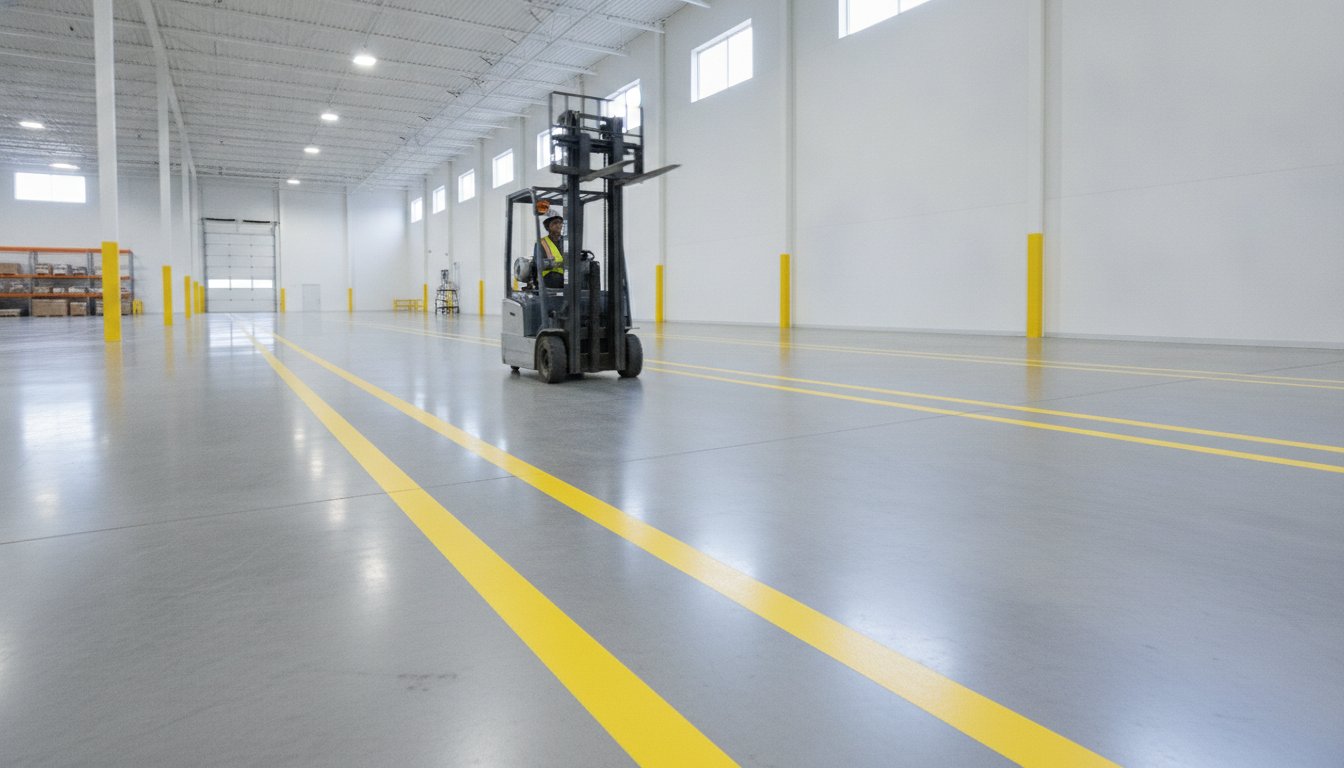
Visibility depends on consistent dimensions. Industry standards suggest that safety lines should range from 2 to 6 inches in width to remain clear from the seat of a moving forklift. Aisle clearance is equally vital. Paths must be wide enough to accommodate equipment safely, generally providing a 3-foot buffer beyond the widest vehicle used in that lane. In rare cases where flooring surfaces are highly irregular or temporary, OSHA may permit the use of flags or cones. However, ensuring visibility through professional warehouse line striping is the only reliable way to meet the “appropriately marked” threshold in a high-volume industrial environment.
The “Permanence” Factor in OSHA Audits
OSHA inspectors frequently issue citations for “improperly marked” passageways when they encounter fading lines or damaged materials. This regulation avoids specifying exact materials, which often leads managers to rely on Floor marking tape or standard traffic paint. The choice of epoxy vs paint for warehouse floor striping should be dictated by the volume of mechanical handling equipment in use. A permanent marking is a system that survives daily forklift traffic without degradation. We utilize mechanical shot blasting (a process that strips the top layer of concrete to create a rough profile) to ensure the coating achieves a chemical bond. This level of preparation prevents the flaking and peeling that triggers safety violations and costly re-applications. Durable lines don’t just look better; they maintain a continuous safety standard that protects your personnel and your budget.
The Standardized OSHA Floor Marking Color Code
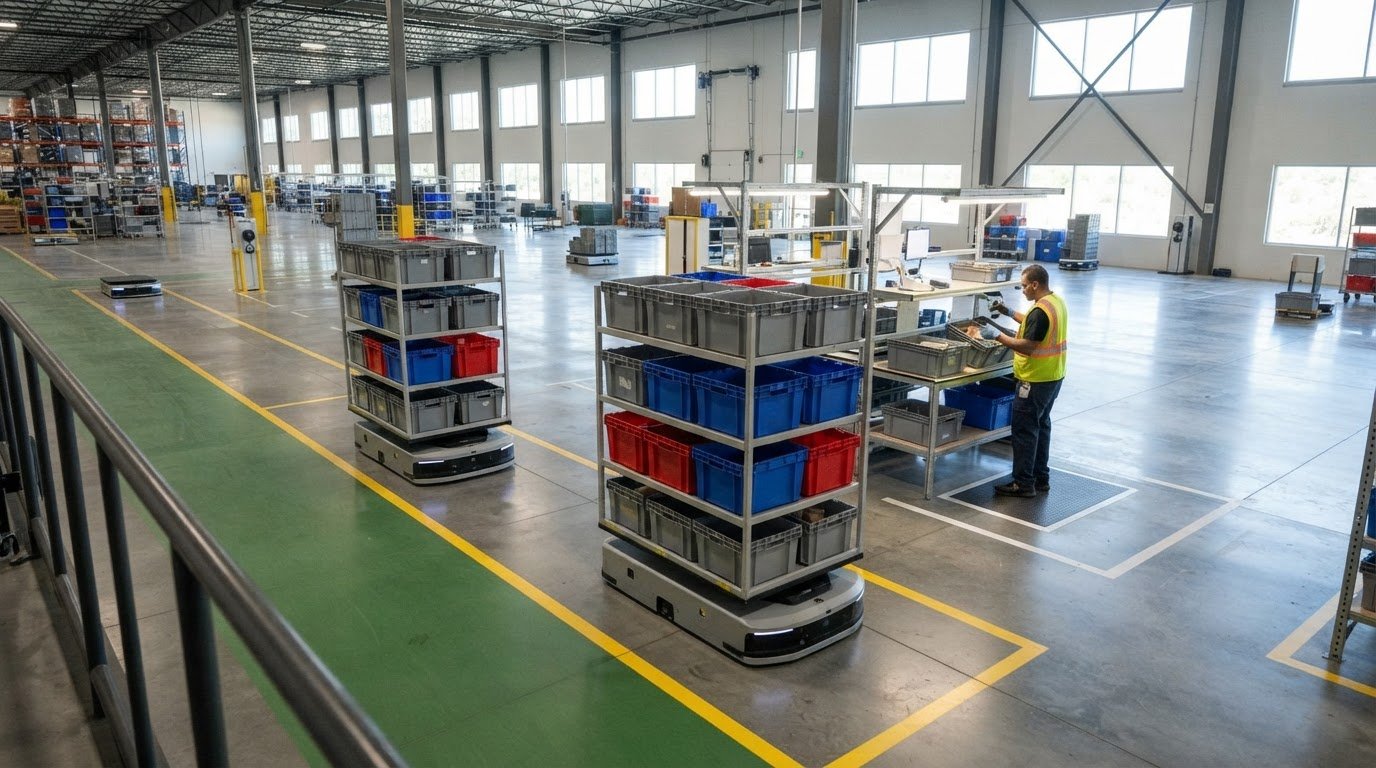
Standardized color coding is the visual language of your facility. It ensures that every employee, from new hires to seasoned forklift operators, understands the floor’s layout without hesitation. While federal regulations allow for flexibility, adhering to established industry standards is a core component of OSHA warehousing safety guidelines. Clear color distinctions reduce reaction times and prevent accidents in high-speed environments.
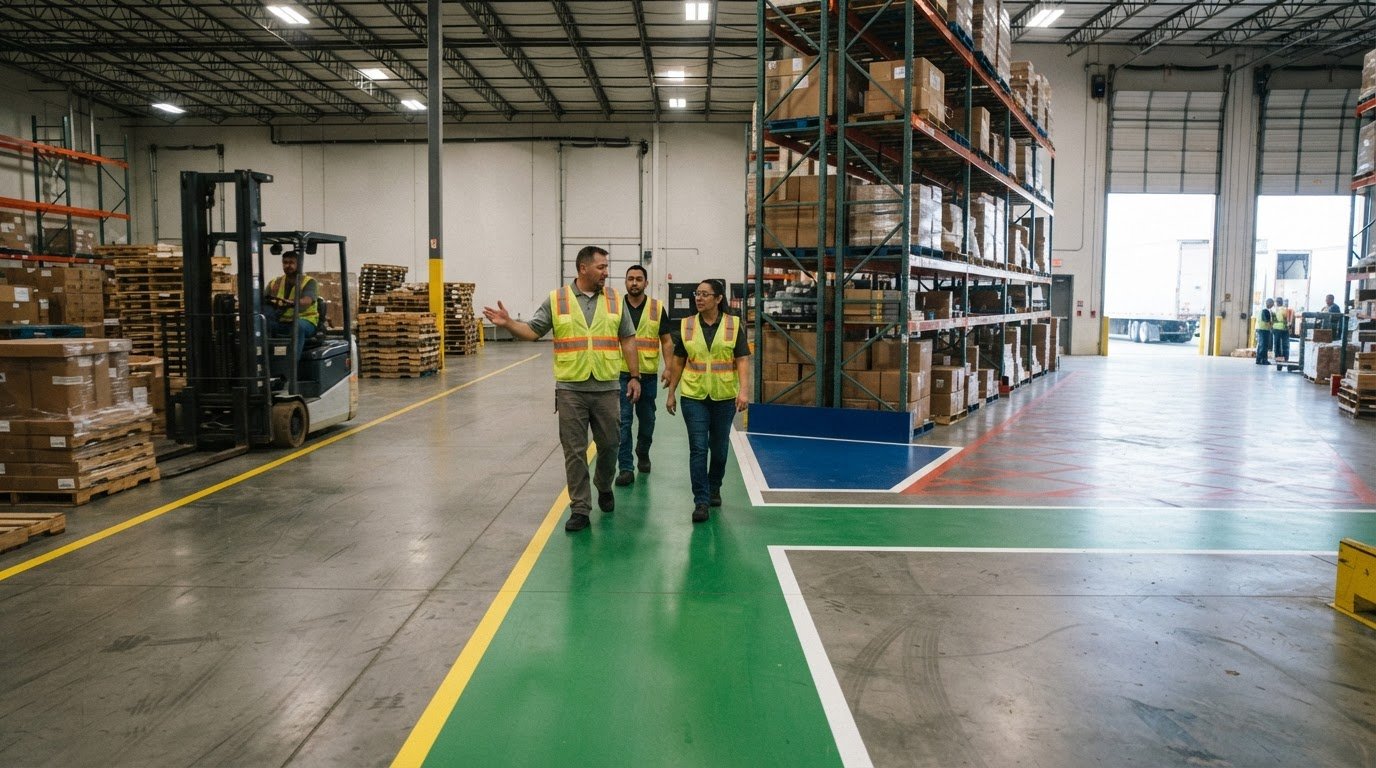
Yellow serves as the universal choice for traffic lanes, aisle ways, and work cells. It’s the most recognized indicator for movement and path designation. Red is reserved for high-priority safety hazards, designating fire protection equipment, emergency stops, and “do not enter” zones. White markings define internal facility boundaries and production equipment placements, while green identifies safety equipment like first aid kits and eyewash stations. When deciding on epoxy vs paint for warehouse floor striping, consider that epoxy offers superior color retention, ensuring these safety signals don’t fade under heavy industrial use.
Hazardous Zone Marking (Black and Yellow)
When a physical hazard exists, such as a low-clearance overhead or a tripping risk, black and yellow “Zebra Striping” is the industry standard. These diagonal lines signal extreme caution and are used to highlight areas where extra awareness is mandatory. Effective safety plans often integrate these patterns with pedestrian walkways and safety aisles to separate foot traffic from mechanical handling equipment. This clear physical separation is a primary defense against forklift-pedestrian collisions.
Specialized Zones: Battery Charging and Chemical Storage
Forklift battery charging stations present a unique challenge for floor markings. These areas are prone to electrolyte spills and constant mechanical stress. When considering epoxy vs paint for warehouse floor striping in these high-risk zones, standard traffic paint will fail almost immediately upon contact with battery acid. The paint will bubble, peel, and eventually disappear, leaving the area unmarked and non-compliant.
Ensuring markings remain visible after chemical exposure requires acid-resistant coatings and Novolac epoxy. These specialized materials (heavy-duty chemical-resistant resins) maintain their color and bond even in harsh environments. We’ve spent 29 years applying these high-performance systems to ensure compliance in the most demanding distribution centers across the country. If you’re unsure which material fits your specific chemical profile, you can request a technical consultation to review your site requirements.

Implementation: Choosing Between Tape and Professional Striping
While floor marking tape is a frequent DIY choice for facility managers, it rarely meets the “permanent” standard required by OSHA in high-traffic distribution centers. Tape edges eventually peel under the constant stress of heavy forklift scrubbing and pallet dragging, creating new trip hazards and visual clutter. When evaluating epoxy vs paint for warehouse floor striping, the lifecycle cost heavily favors professional coatings. Tape requires recurring labor for replacement, while a professionally applied system remains clear and bonded for years. High-traffic distribution centers require professional warehouse line striping to maintain continuous safety without the need for constant maintenance cycles.
Surface Preparation: Shot Blasting and Grinding
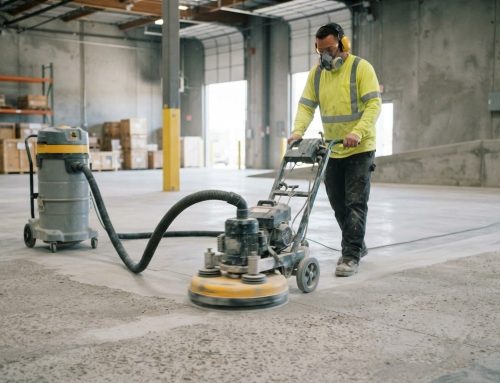
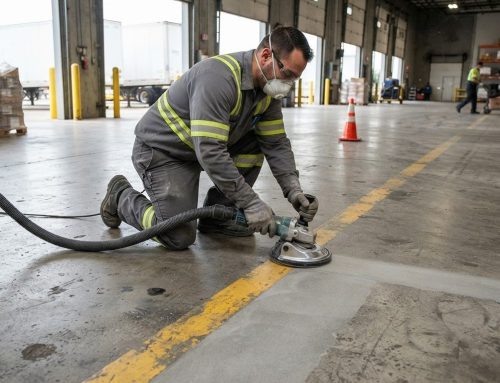
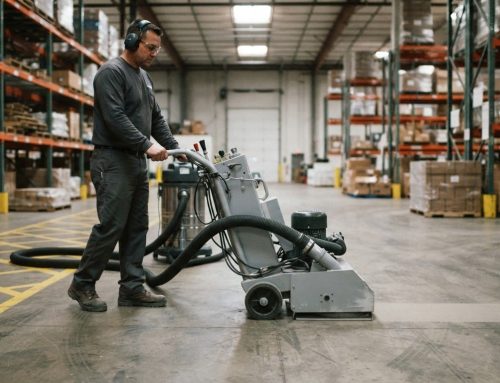
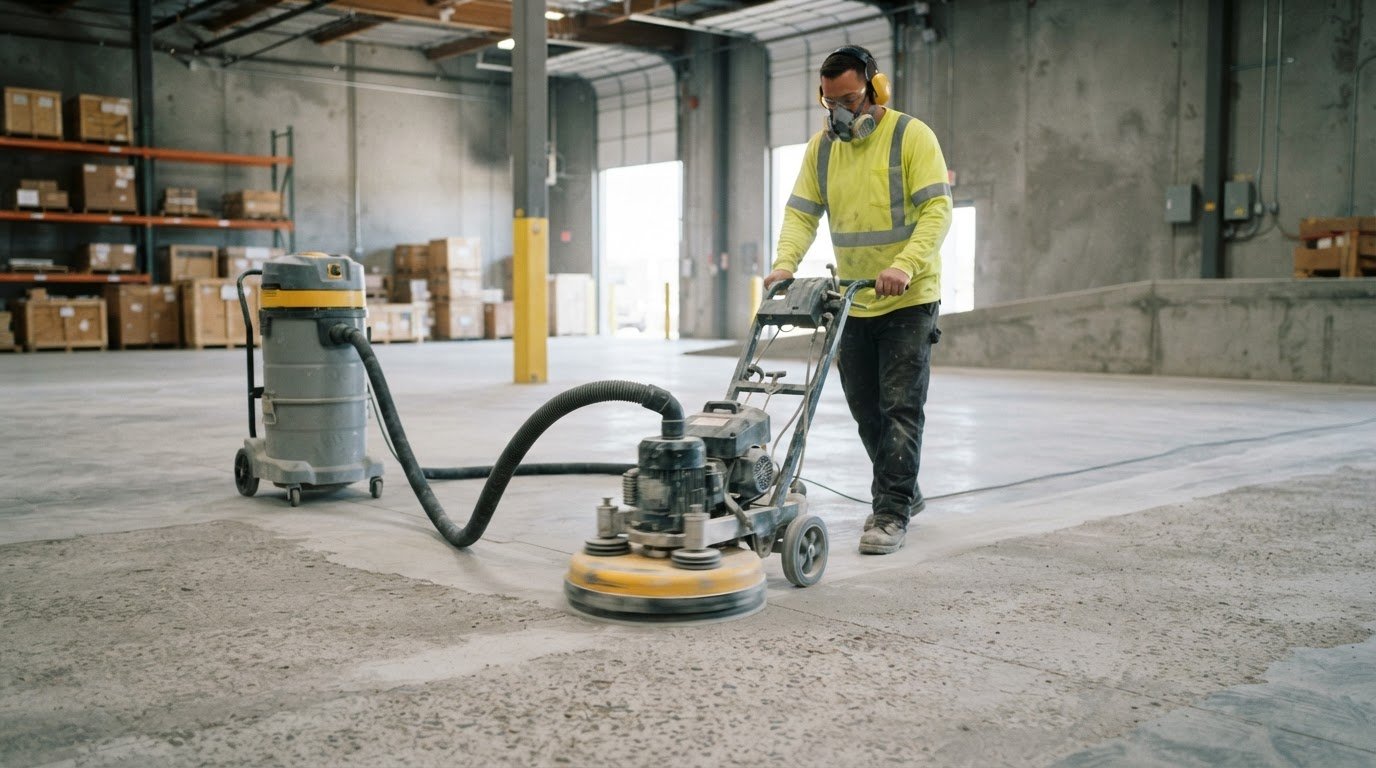
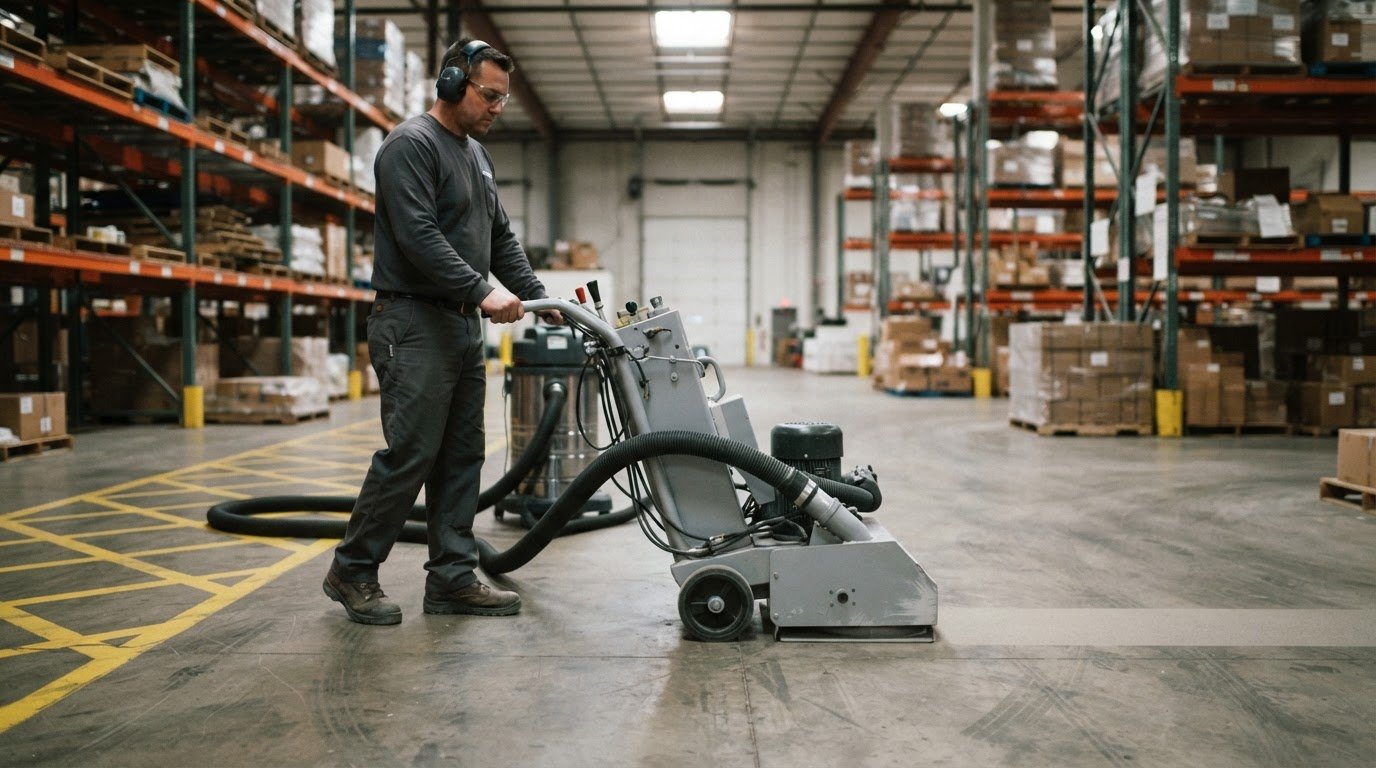
New paint or epoxy will fail on smooth, power-troweled, or oil-slicked concrete because the liquid cannot form a physical bond with the surface. We utilize mechanical shot blasting (a process that fires steel grit at the floor to strip away the top layer) to create the ideal “profile” for the coating. This mechanical bonding process transforms the concrete into a sandpaper-like texture that allows the epoxy to anchor deep into the substrate. Ensuring a clean, profiled substrate is the only way to achieve maximum adhesion and long-term OSHA compliance. Without this critical step, even high-performance materials will flake off under industrial pressure.
Epoxy vs. Traditional Paint: Which is Right for You?
Traditional traffic paint is a functional solution for low-traffic storage areas or facilities with frequently changing layouts. However, for 24/7 distribution environments, industrial epoxy warehouse striping is the necessary standard. High-build epoxy systems provide a thick, resilient layer that resists chemical spills and abrasive wear. While epoxy requires more specific curing times than standard paint, we plan these applications around your operational schedule to ensure minimal downtime. The result is a safety system that doesn’t require monthly touch-ups or replacement. If you’re ready to upgrade your facility’s safety markings, contact our team for a site evaluation.
Maintenance and Audit Readiness for Floor Markings
Maintaining a compliant facility requires more than a one-time application of safety lines. You must establish a monthly inspection schedule to verify the integrity of every safety path and hazard zone. This proactive approach identifies “ghost lines”-the confusing remnants of old markings-before they lead to a navigation error or a forklift collision. When weighing epoxy vs paint for warehouse floor striping, remember that while paint fades faster, it’s often easier to remove during a minor re-layout. Conversely, epoxy’s extreme durability means you’ll need professional mechanical removal when your operational flow changes. Our goal is to help you create a “Visual Workplace” where the floor’s logic is so clear it requires zero training for new employees to navigate safely.
Professional Warehouse Line Removal
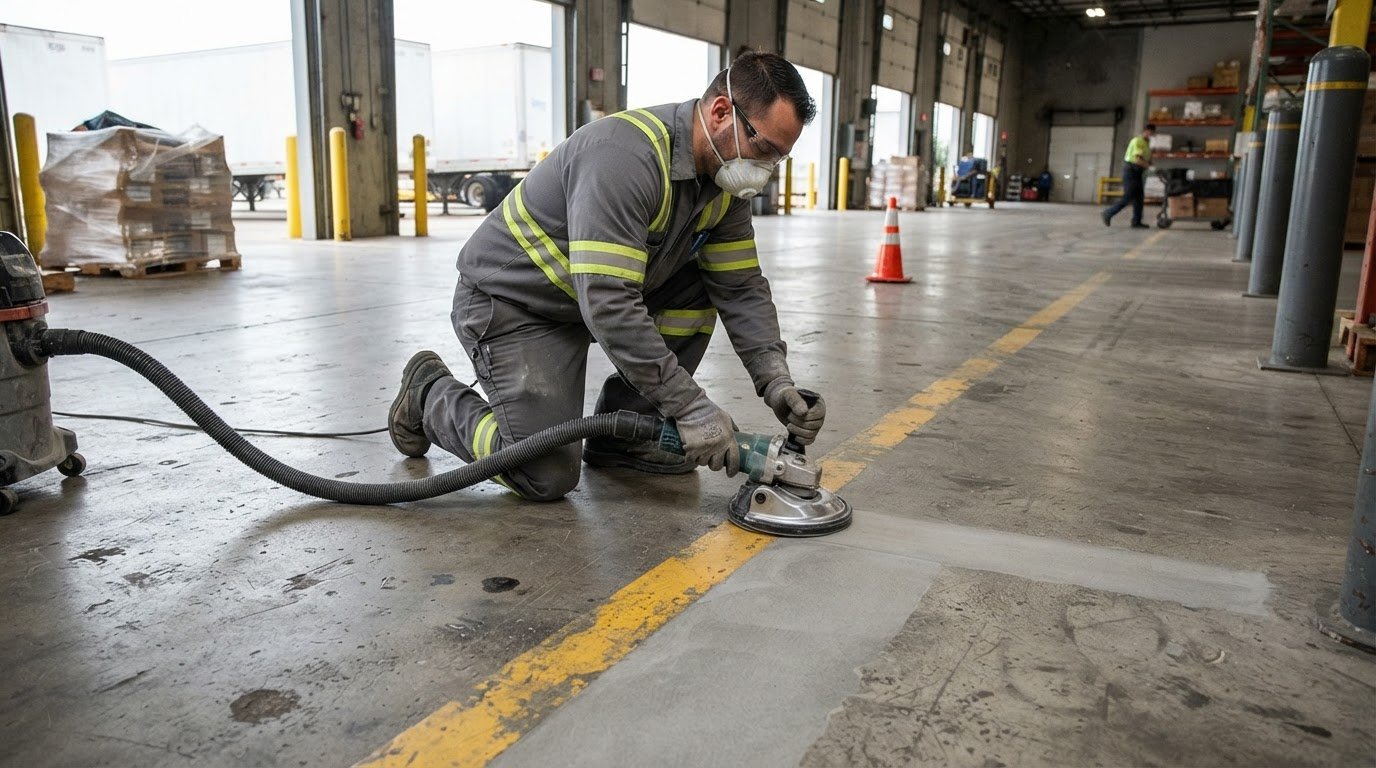
When your facility undergoes a re-layout, the removal of old lines is just as critical as the installation of new ones. We advise against the use of chemical strippers, especially in food-grade or pharmaceutical environments, because they introduce volatile organic compounds (VOCs) and potential slip hazards into the workspace. Instead, we utilize mechanical techniques such as shot blasting and diamond grinding to strip old markings. Diamond grinding (a process using industrial diamond-segments to shave the surface) allows us to remove old epoxy warehouse striping without causing structural damage to the concrete slab. These methods ensure a clean, profile-ready finish for the next application, preventing the “ghosting” effect that often leads to OSHA citations for confusing passageways.
Preparing for an OSHA Inspection
Audit readiness is about documentation and consistency. The best defense during an audit is a clearly defined, standardized color and maintenance log. When an inspector enters your facility, they’re looking for evidence that safety is a managed process rather than a reaction to an accident. Supplementing your logs with printed safety guides from Colour Graphics can further demonstrate a commitment to clear employee communication. Use this 5-point checklist to verify your compliance before an inspector arrives:
- Clearance: Are all permanent aisles clearly marked and free of storage obstructions?
- Consistency: Do colors match your facility-wide safety standard (e.g., yellow for traffic, red for fire)?
- Visibility: Are markings easily visible from the seat of a moving forklift under standard lighting?
- Documentation: Is there a record of monthly floor integrity inspections and subsequent repairs?
- Cleanliness: Have all “ghost lines” from previous layouts been mechanically removed to prevent confusion?
By treating your markings as a critical safety asset, you ensure your facility remains audit-ready 365 days a year. If your current markings are failing or you need to clear old lines for a new layout, choosing the right material is vital. We can help you navigate the choice between epoxy vs paint for warehouse floor striping to find the solution that fits your specific traffic volume and budget constraints.
Securing Your Facility’s Operational Future
Maintaining a compliant warehouse requires a shift from reactive maintenance to proactive safety engineering. You now understand how precise color coding and standardized line dimensions eliminate traffic confusion while reducing the risk of heavy OSHA penalties. The debate regarding epoxy vs paint for warehouse floor striping ultimately comes down to your facility’s traffic volume and the requirement for a truly permanent solution. While paint serves lower-impact zones, high-build epoxy remains the industrial standard for distribution centers operating around the clock. We prioritize functional outcomes that protect your budget and your people.
StripeGuys Warhouse Line Striping brings 29+ years of industrial experience to every project, offering national service reach and turnkey surface prep and application (including mechanical shot blasting) to ensure your markings never flake or fade. Our no-nonsense approach ensures your facility remains audit-ready without the logistical stress of monthly reapplications. Don’t leave your next safety inspection to chance. Get a Professional OSHA Compliance Quote from StripeGuys Warhouse Line Striping today to optimize your workflow. A well-marked floor is the foundation of a safe, efficient, and profitable industrial operation.
Frequently Asked Questions
Does OSHA require specific colors for warehouse floor marking?
OSHA doesn’t mandate a specific color palette, but it recognizes ANSI Z535.1 as a best practice for industrial safety. Yellow is the universal choice for traffic lanes and work cells because it provides the highest visibility against gray concrete. Red is legally required for fire protection equipment and danger zones under standard 1910.144. Consistency across your facility is more important than the specific shade, as it ensures employee comprehension.
What is the minimum width for warehouse aisle markings under OSHA?
OSHA regulations don’t specify a required width for floor lines. However, the industry standard for maximum visibility is between 2 and 6 inches. The more critical measurement is the aisle clearance itself. Passageways must be wide enough to allow safe operation of mechanical handling equipment, typically providing at least 3 feet of clearance beyond the widest vehicle or load to prevent collisions with racking or personnel.
Is floor marking tape or paint better for OSHA compliance?
Both materials can be compliant if they remain clear and well-maintained. However, the requirement for “permanent” aisles in high-traffic distribution centers often makes tape a liability. When deciding between epoxy vs paint for warehouse floor striping, epoxy offers the durability needed to survive heavy forklift scrubbing. Tape that peels or bubbles can be cited as a safety hazard, whereas bonded epoxy remains visible for years under industrial stress.
How often should warehouse floor markings be replaced?
Markings must be replaced as soon as they lose their visibility or become damaged. In a high-volume facility, standard paint may require reapplication every 6 to 12 months. Professional epoxy systems, especially those applied after mechanical shot blasting, often maintain their integrity for 5 to 10 years. Monthly inspections are the best way to determine when your specific facility needs a refresh to remain audit-ready and avoid non-compliance citations.
What are the OSHA requirements for forklift traffic lanes?
OSHA 1910.176(a) requires that traffic lanes for mechanical handling equipment be clearly marked and kept free of obstructions. The markings must define safe boundaries that allow for sufficient clearance. While the regulation is flexible, inspectors look for consistent systems that prevent forklift-pedestrian near-misses. Using standardized colors like yellow for lanes and black-and-yellow stripes for physical hazards is the most reliable way to demonstrate compliance during a surprise inspection.
Can I be fined if my floor markings are faded but still visible?
Yes, you can be fined for faded markings if an inspector deems them unclear or insufficient to prevent hazards. Under the current Warehouse National Emphasis Program (NEP), visibility is a primary focus. If lines are significantly worn, they no longer meet the “appropriately marked” standard. A serious violation of 29 CFR 1910.176(a) can result in a penalty of up to $16,550 per instance, making proactive maintenance far more cost-effective than a fine.